Main Content

Refrigerator Buying & Sizing Guide

A comprehensive refrigerator buying guide with all the information you need to shop for a new fridge.
Getting Started
The refrigerator is the most important appliance in any kitchen. Not only is it a place to store fresh and frozen foods, but It’s also an innovative kitchen appliance that offers greater convenience, reduces waste and improves energy efficiency. From keeping your food fresh to displaying family photos, it's the center of attention in both form and function. But with so many different types of refrigerators, it can be challenging to know what size or style best fits your needs.
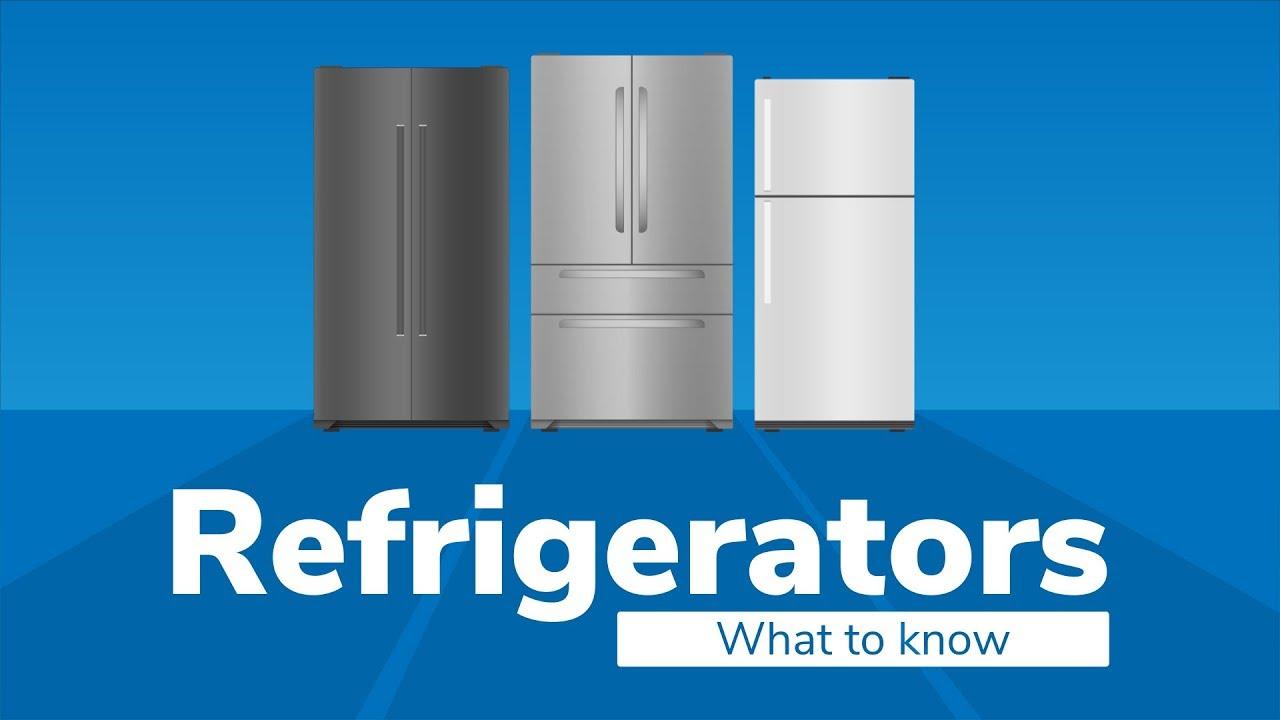
Is it worth spending $10,000 on a top-of-the-line built-in model, or will an entry-level unit suffice? Only you will know for sure. But if you keep reading we can help you make an informed decision.
Refrigerator Sizing: How to Measure for a Refrigerator
When choosing a refrigerator, the most important measurement is the space in which it will be installed. Start by measuring the height, width and depth of the space the unit will occupy. If there is a wall on either side of the refrigerator, measure the full depth of the wall from front to back; this will help determine how much clearance you'll have when opening the doors or removing the crisper drawers and shelves for cleaning. A good rule of thumb is to choose a model with roughly 5 cubic feet of capacity for each adult in your household.
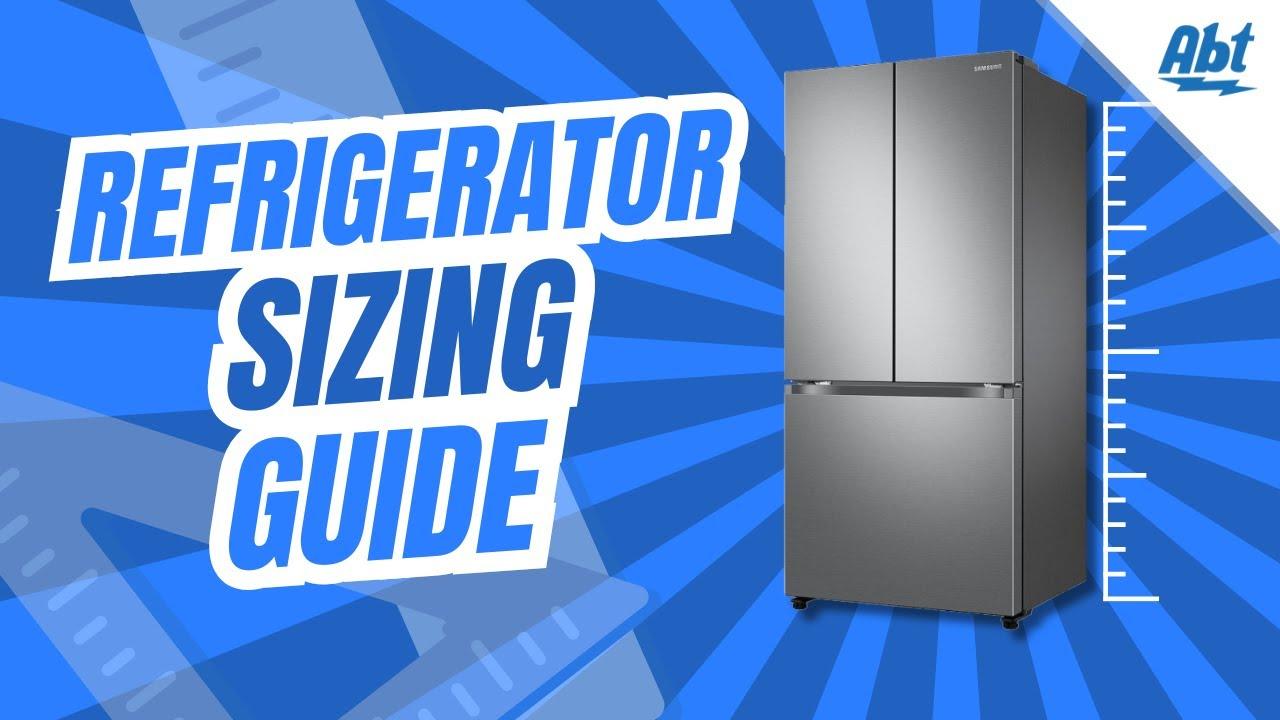
For most full-size freestanding refrigerators, the standard cutout dimensions are typically:
- 36 inches wide
- 70-72 inches high
- 24-25 inches deep
These measurements should accommodate most freestanding full-size models. Though, if you aren't selecting a counter-depth model, your refrigerator will extend an additional 8 to 10 inches past your cabinets.
It’s also essential to understand that refrigerators have two height measurements:
- Case height: The distance from the floor to the top of the refrigerator’s case
- Hinge height: The distance from the floor to the top of the hinges
If the refrigerator will be installed in a space surrounded by custom cabinets, it is recommended that you leave:
- At least 1–2 inches of space behind the refrigerator
- 1 inch above it.
- At least 1/2 inch on each side for proper air circulation.
If you're remodeling your kitchen and want to add a custom cabinet enclosure, leave an additional 3–5 inches of space between the wall and the custom cabinet; many of today's modern refrigerators have extra deep doors that can extend up to 3 inches beyond the refrigerator case when opened, with up to an additional 2 1/2 inches needed to account for the door handle. This makes it impossible to achieve a full 90° door swing if there is a wall or obstruction on either side. Additionally, adding 3 to 5 inches of space on one or both sides of the case will make it much easier to remove crisper bins and shelves for cleaning if needed.
However, if you're just replacing an existing refrigerator that’s currently installed next to a wall and your goal is to get as much door clearance as possible, look for refrigerator models with zero-clearance doors, designed to open fully without requiring extra side clearance. Another consideration is a handleless model, which features hidden pocket handles. This design eliminates the additional two inches of clearance typically needed on top of the standard three inches when placed next to a wall. Lastly, you could opt for a slightly narrower refrigerator. Downsizing the width can provide more flexibility for opening the door while still fitting comfortably in your space.
Types of Refrigerators
Top-Freezer Refrigerators
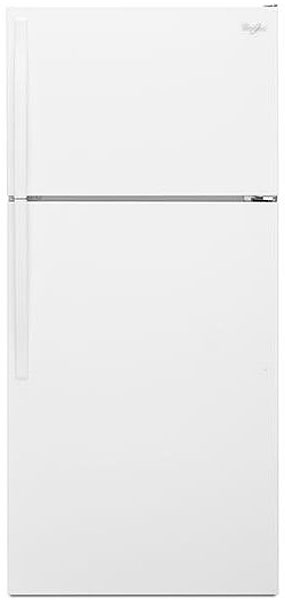
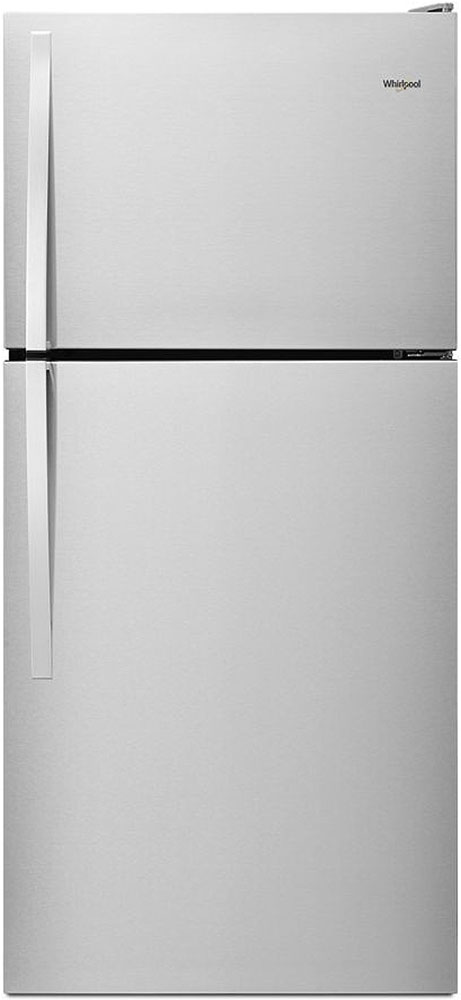
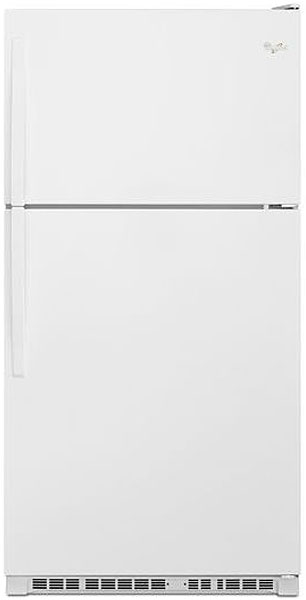
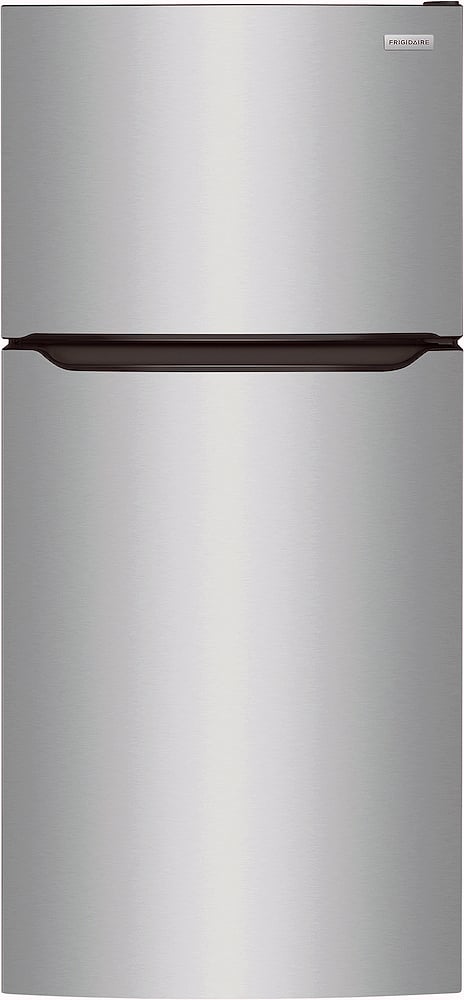
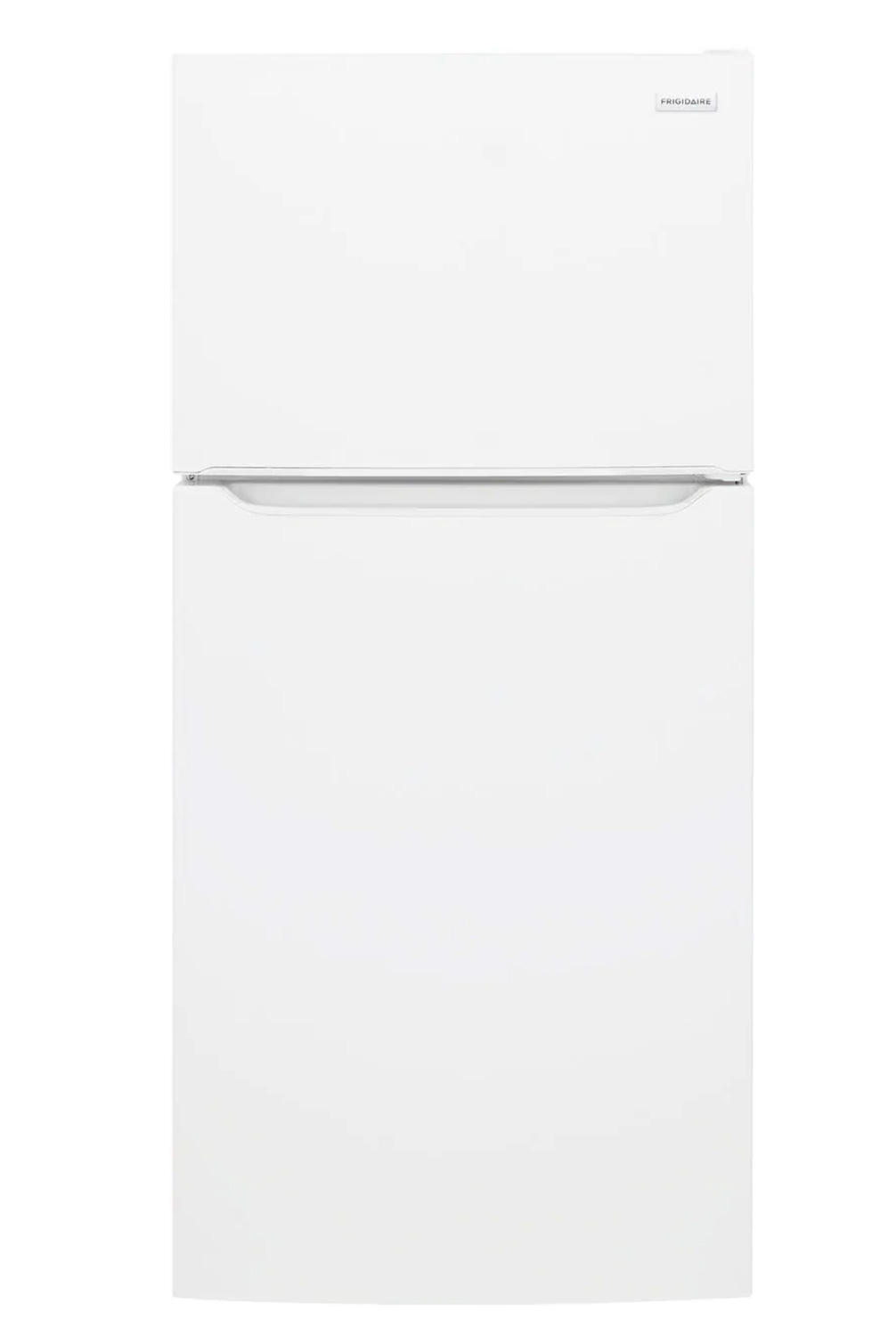
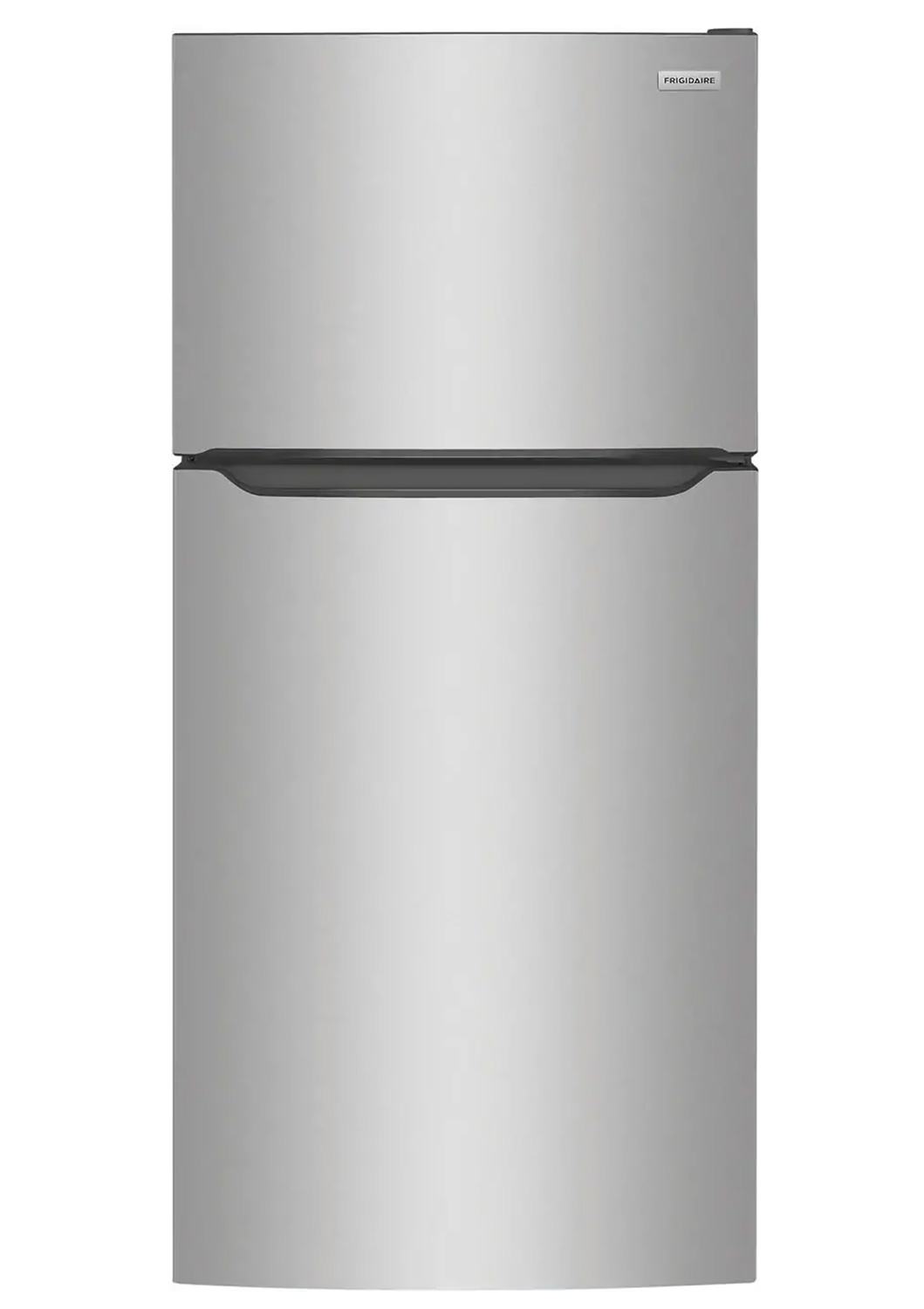
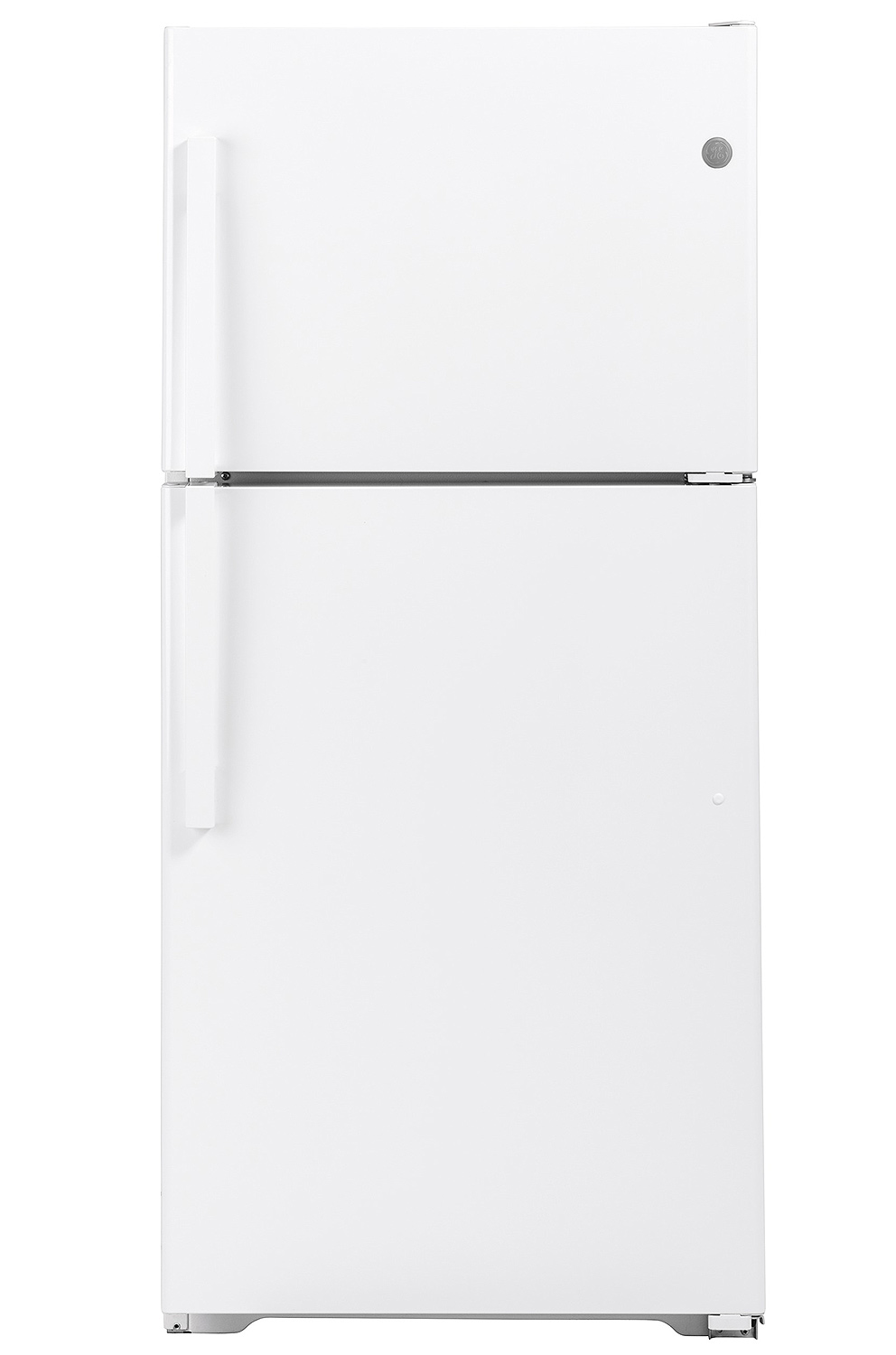
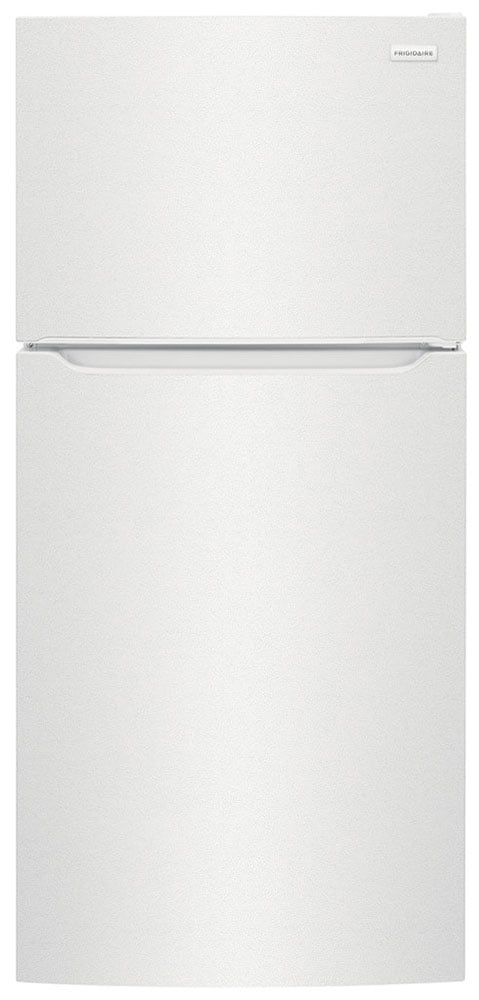
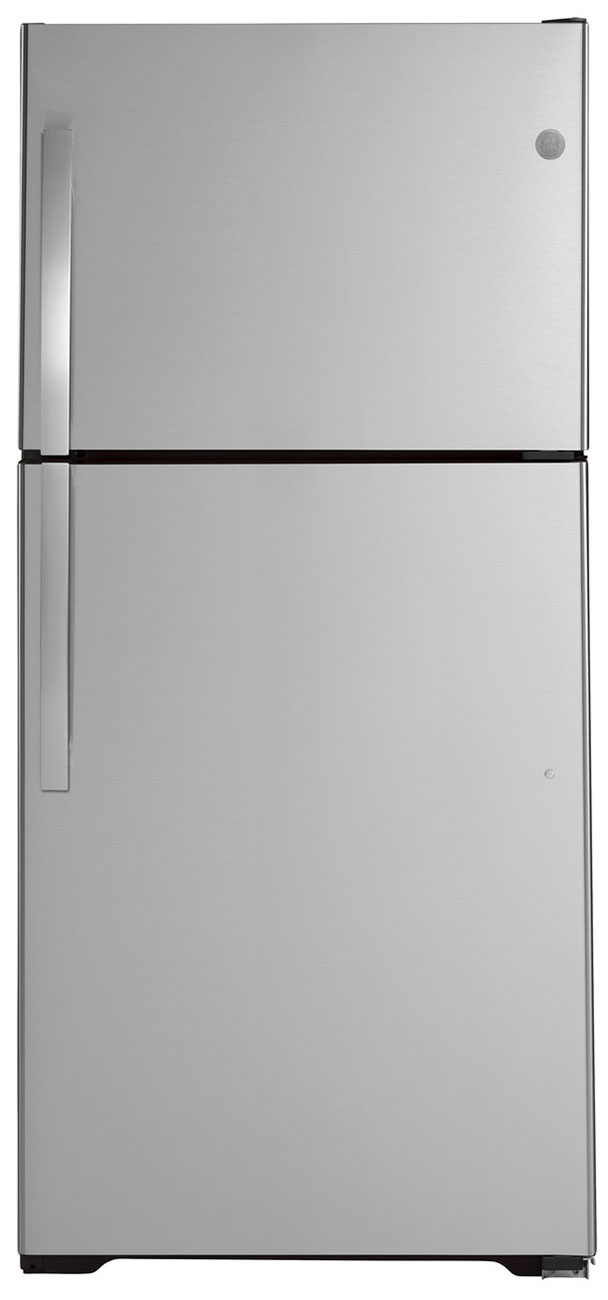
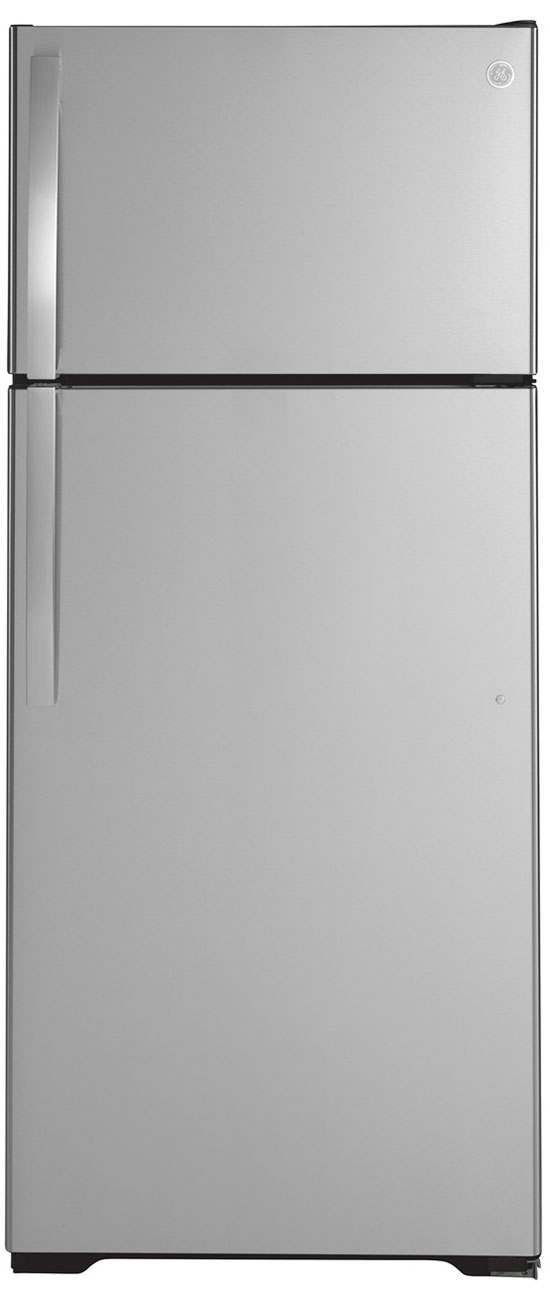
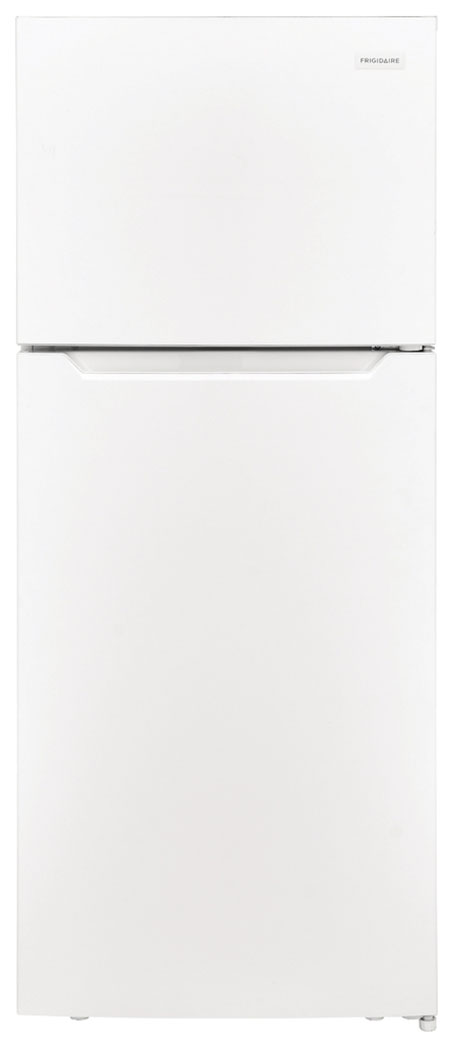
A top-freezer refrigerator keeps the frozen food at eye level and the fresh food compartment below. This makes them an excellent choice for storing wider items like frozen pizzas and deli trays.
Traditionally, this has been the most common type of refrigerator. It's also the most affordable and a great option for those with basic refrigeration needs. You won't find many special features in this type of refrigerator, but you do have the option to add an ice maker or select a model with extra deep door bins. With prices strting around $400, top-freezer refrigerators provide excellent value. Plus, they tend to use 10 - 25% less energy than bottom-freezer fridges, helping you save year after year.
Bottom-Freezer Refrigerators
A bottom-freezer refrigerator is a good option for households that want fresh food at eye level. These units are slightly more expensive (starting around $700) and are less efficient than top-freezer models. However, they provide a more convenient design by keeping fresh food items in clear view.
The freezer compartment of these models is typically a drawer that pulls out for easy access, though there are a few models with a swing door.. Many bottom-freezer refrigerators include wire baskets or storage bins to help keep your frozen goods organized. As a result, they provide less usable space but make it easier to keep things tidy.
Side-by-Side Refrigerators
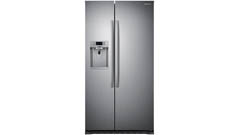
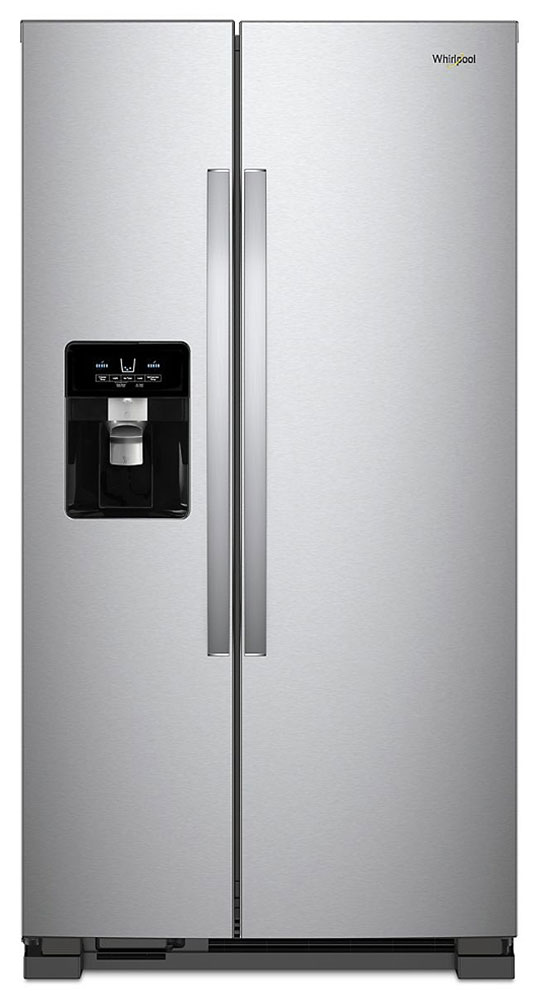
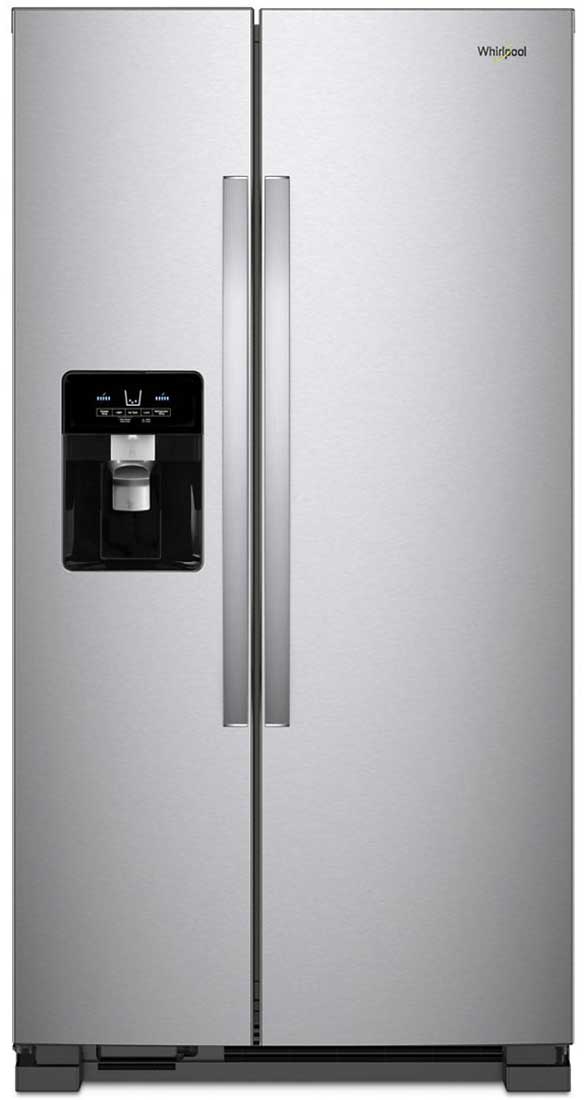
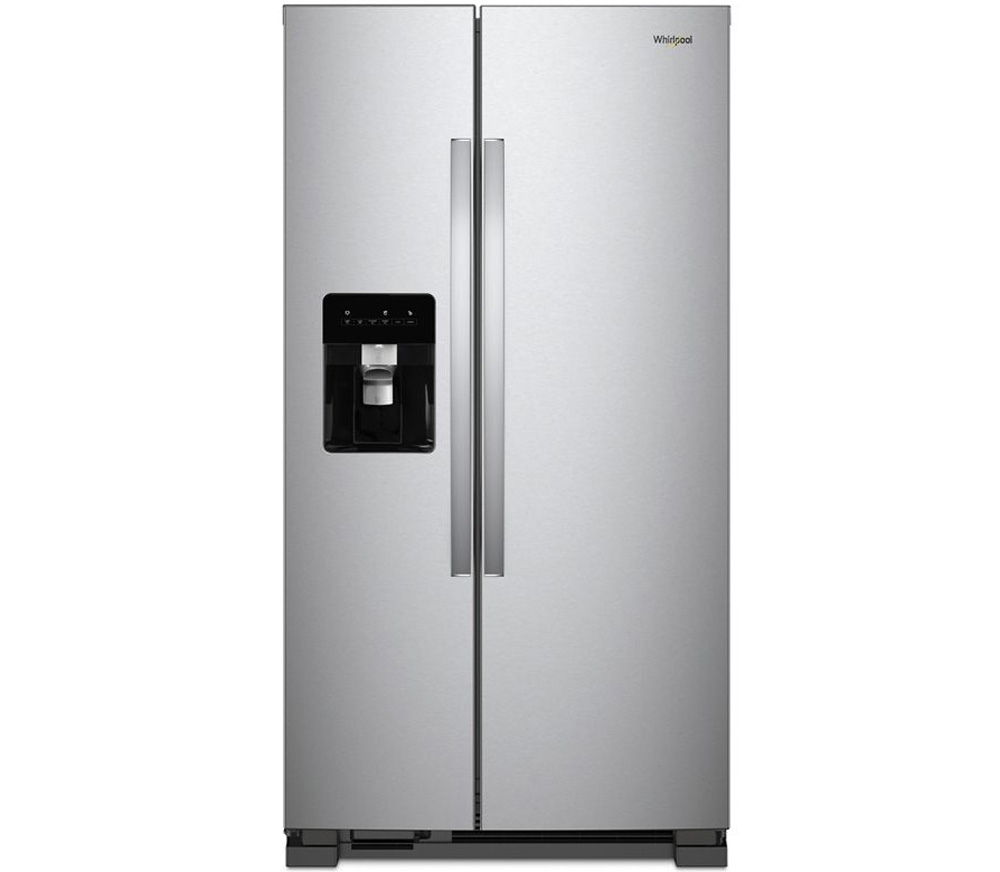
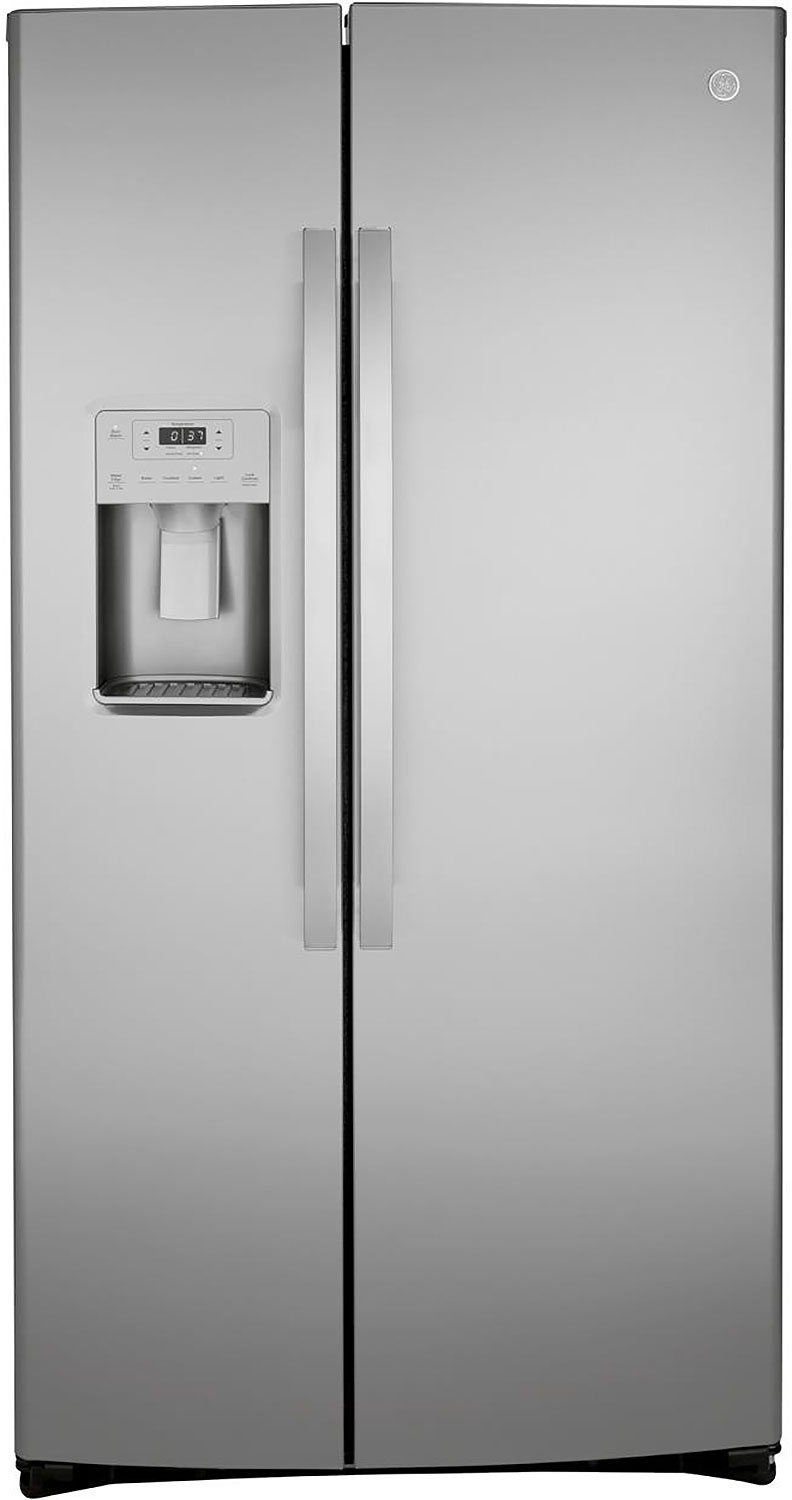
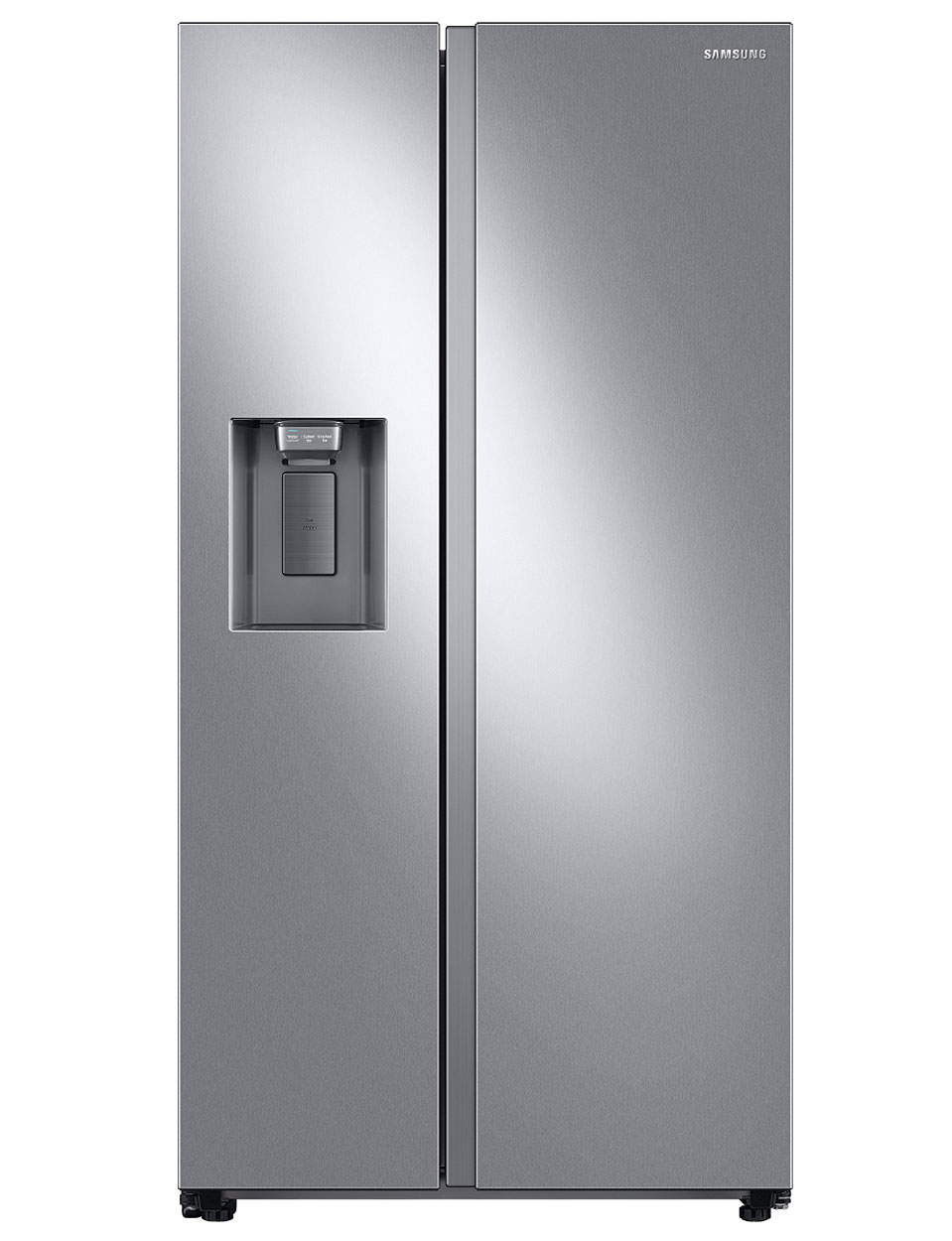
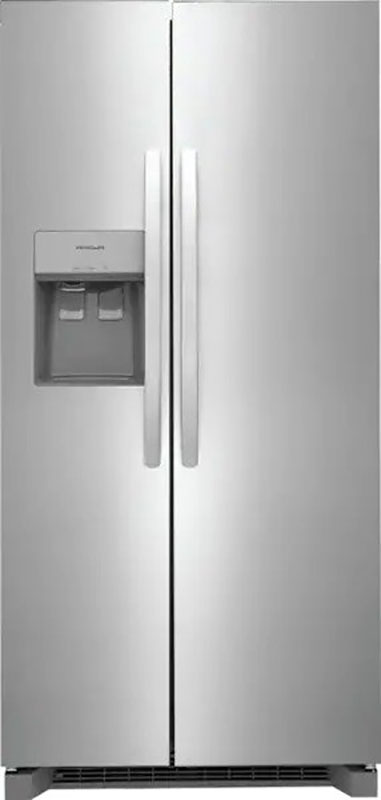
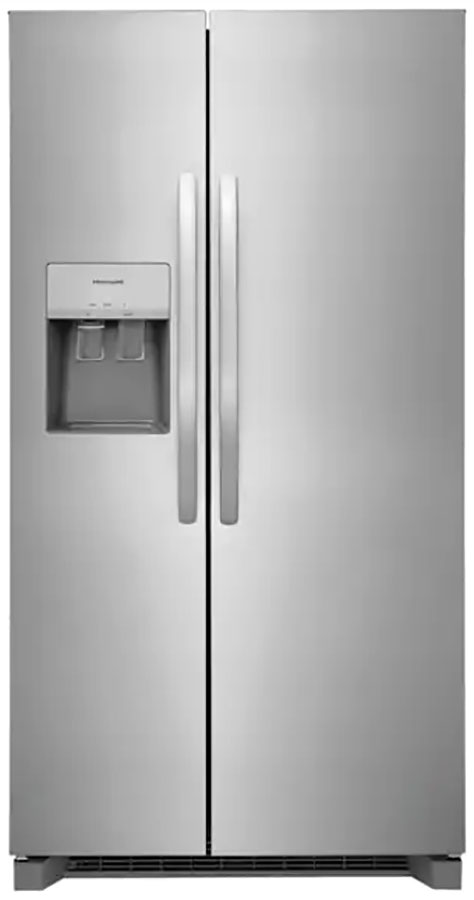
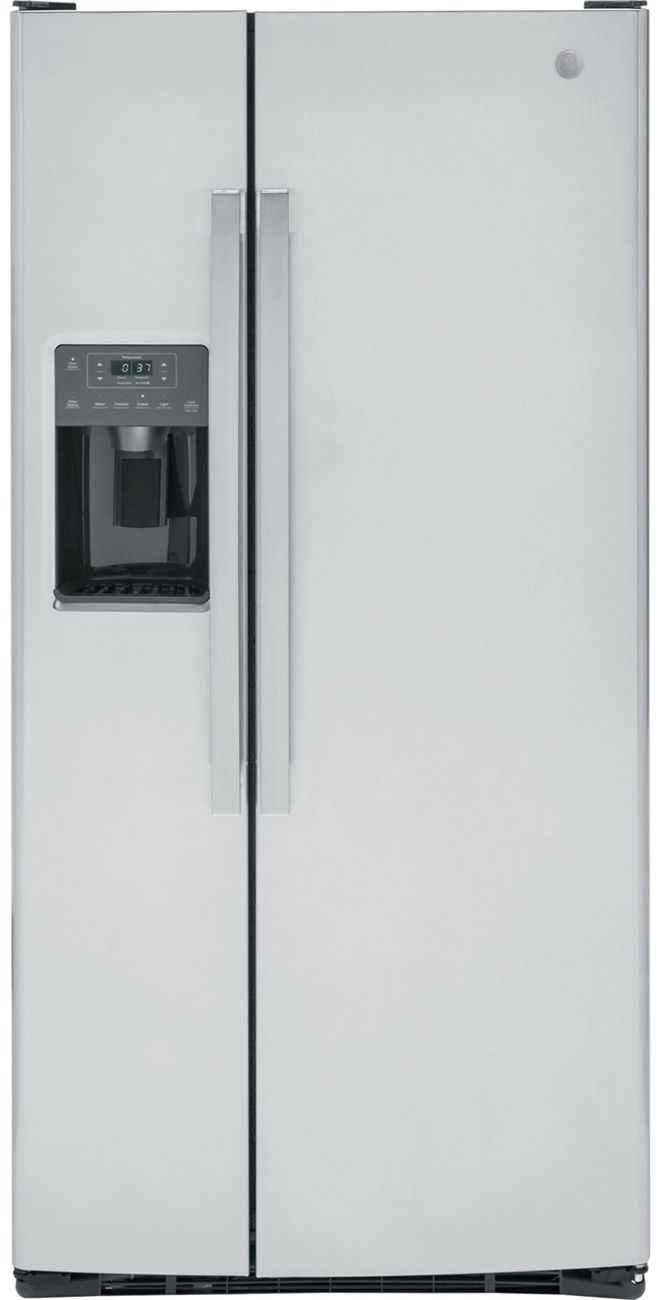
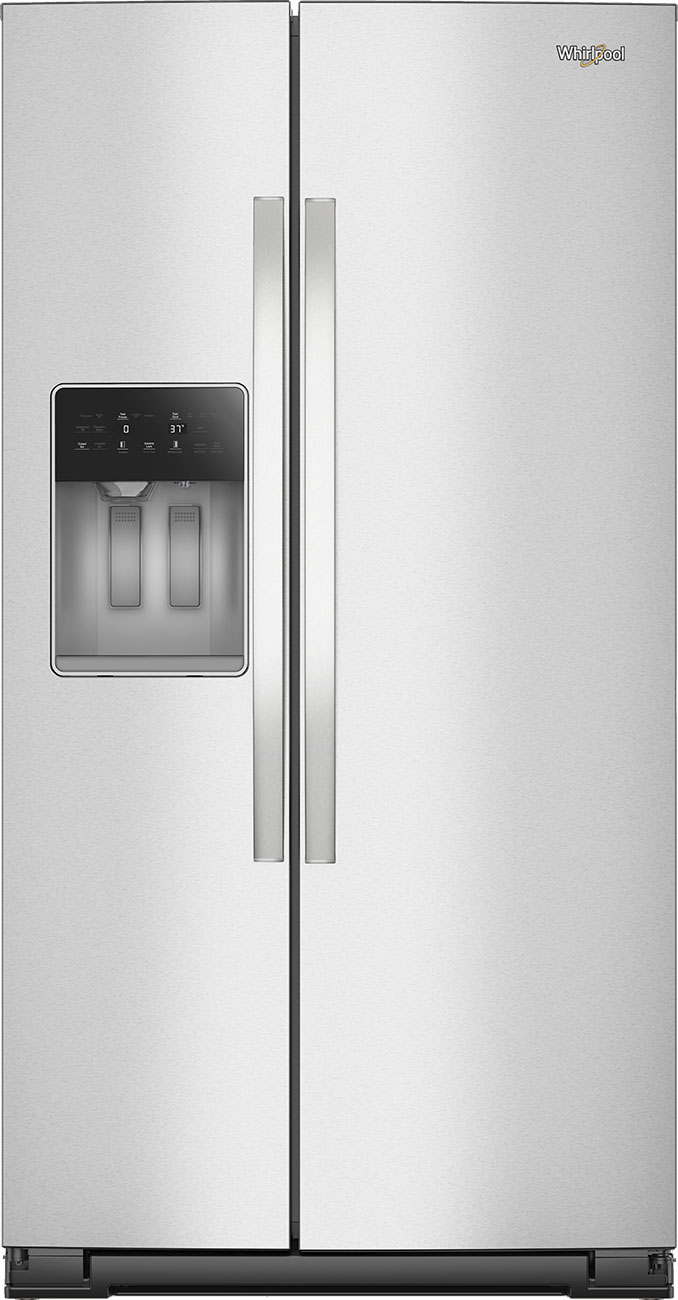
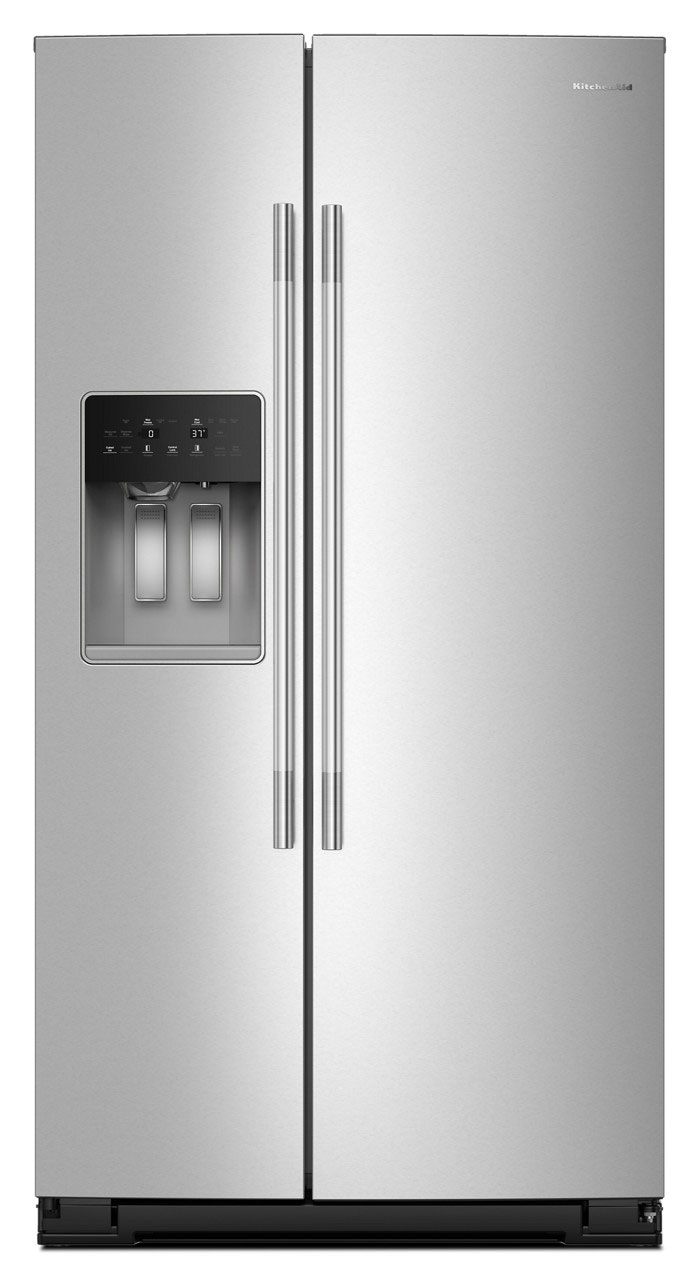
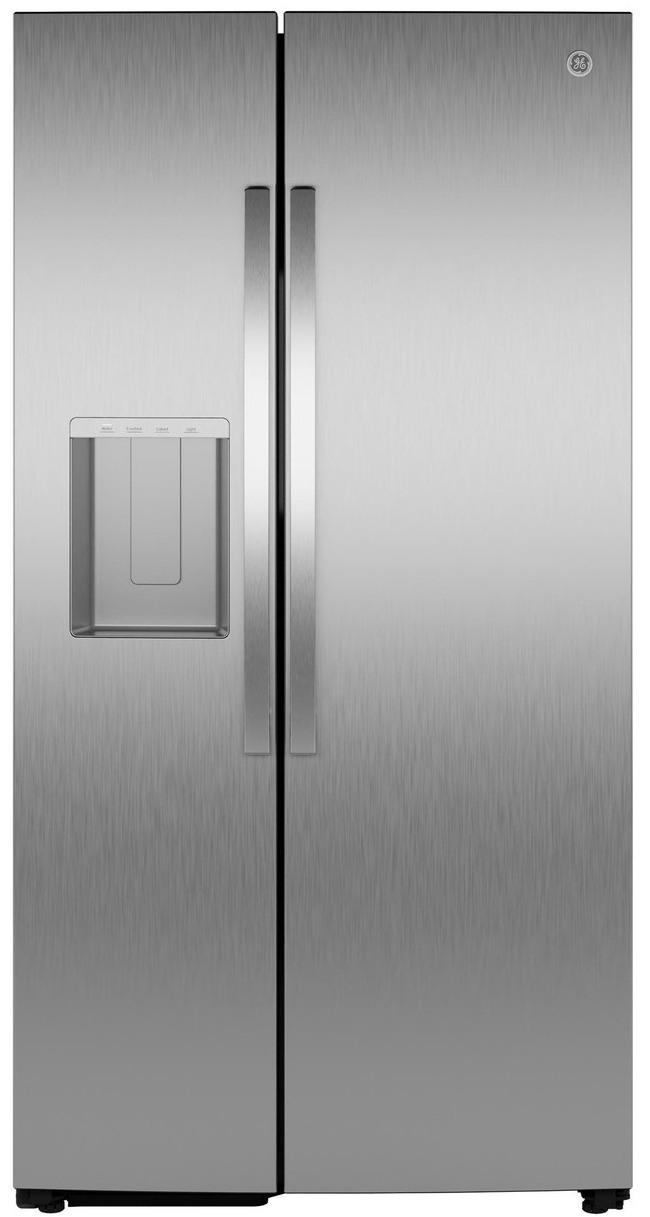
Side-by-side refrigerators place the fresh and frozen sections adjacent to one another. Doing so offers easy access to every kind of food. Because neither section stretches the full width of the appliance, fitting large or wide items can be challening. Look carefully at the capacity and flexibility of the interior when selecting this style of fridge.
Selecting a model with adjustable shelves and storage bins can help you customize the layout to suit your needs. This kind of versatility often makes up for the narrow width. Plus, side-by-side refrigerators have tons of door storage space for condiments, drinks, and other smaller items. Just be aware that you'll probably have to sacrifice a few door storage bins if you want a model with an external ice and water dispenser.
Side-by-side fridge prices typically range from $1,000 - $3,000. While this type of refrigerator might be more expensive than top- or bottom-freezer models, they often include more advanced features. Many sport glass shelves as opposed to plastic ones. Stainless steel finishes are more common. And innovative designs including touch screens and transparent door panels are available.
French Door Refrigerators
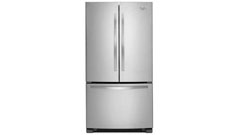
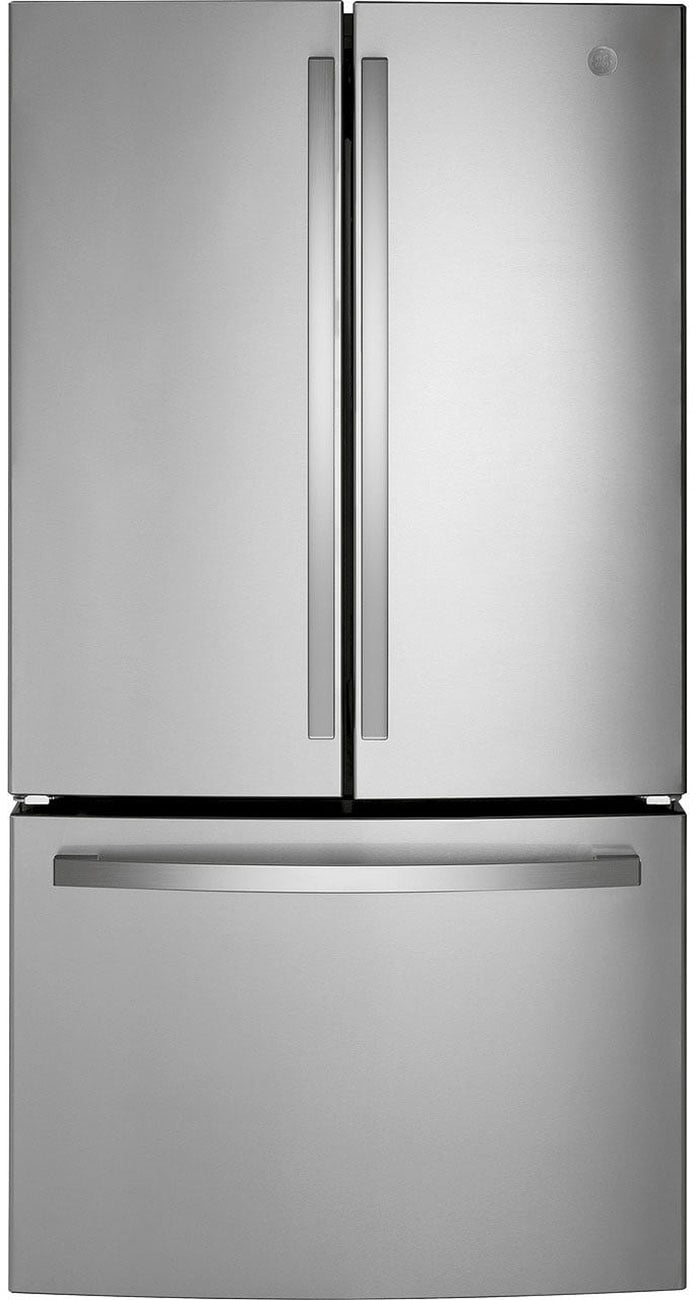
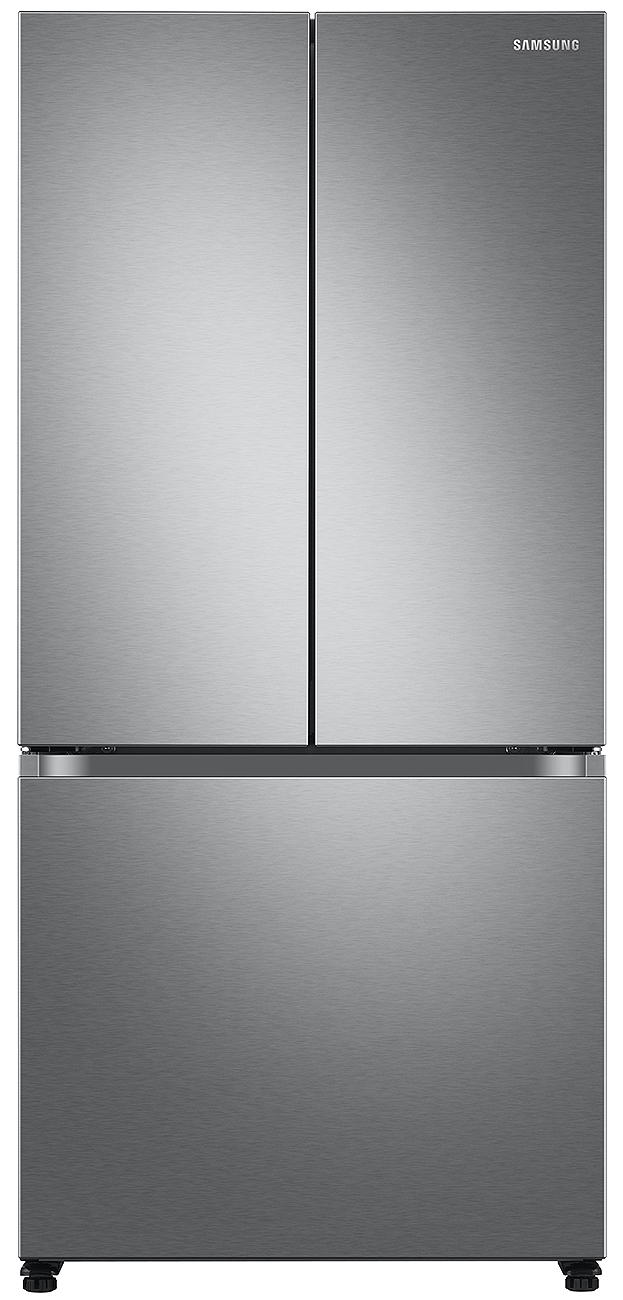
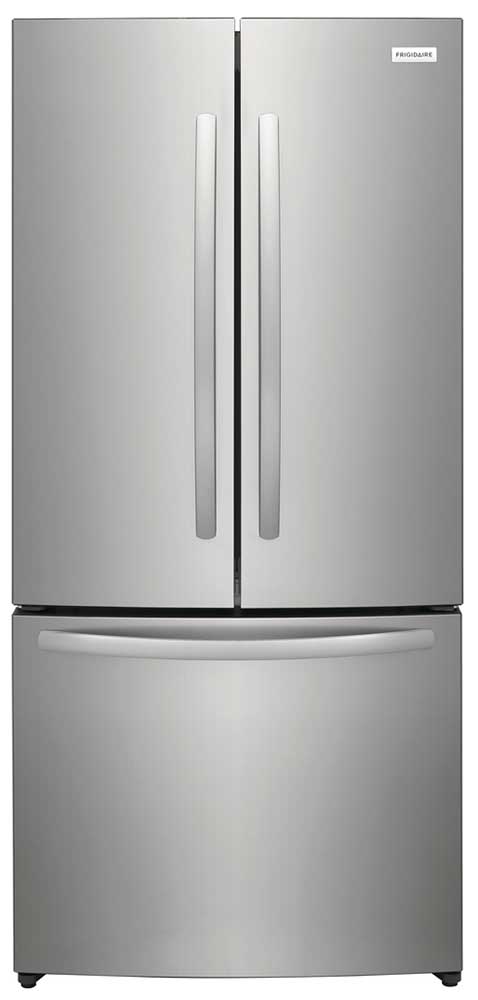
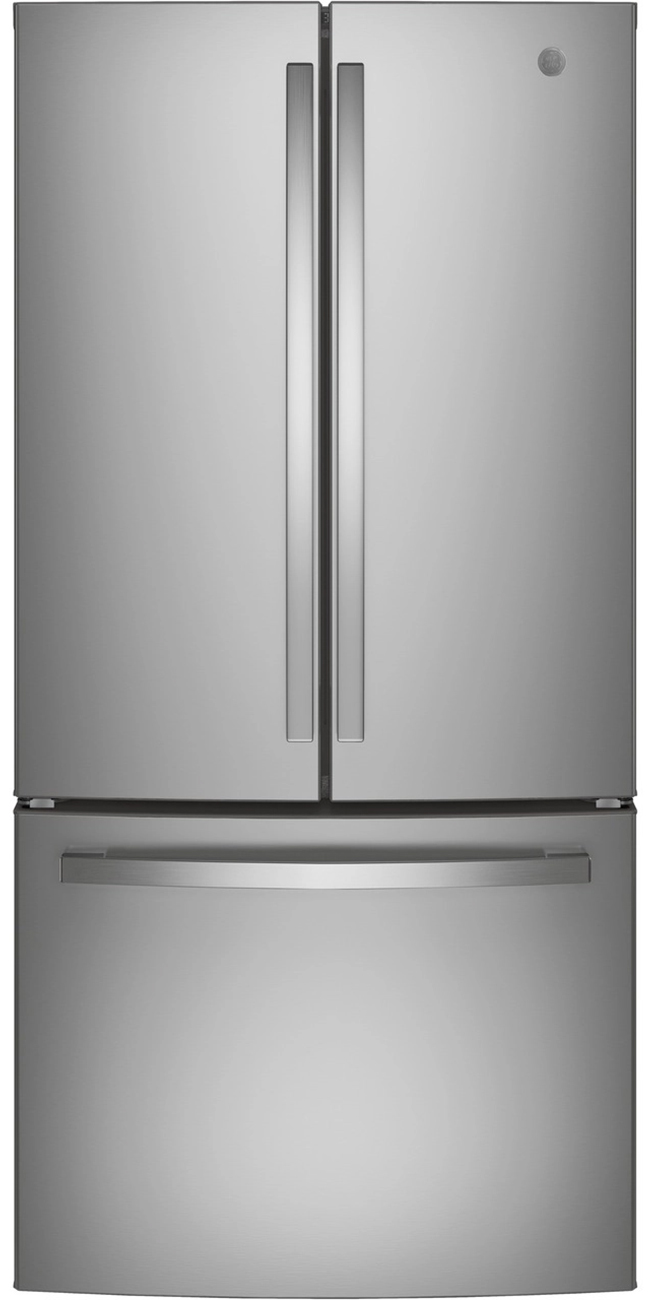
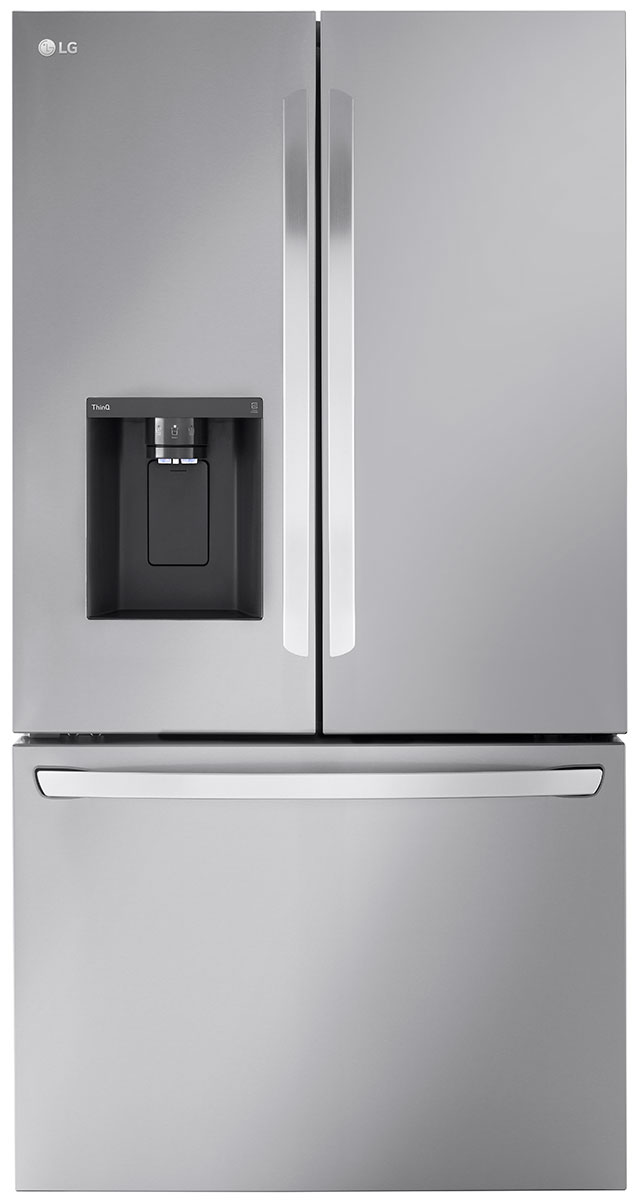
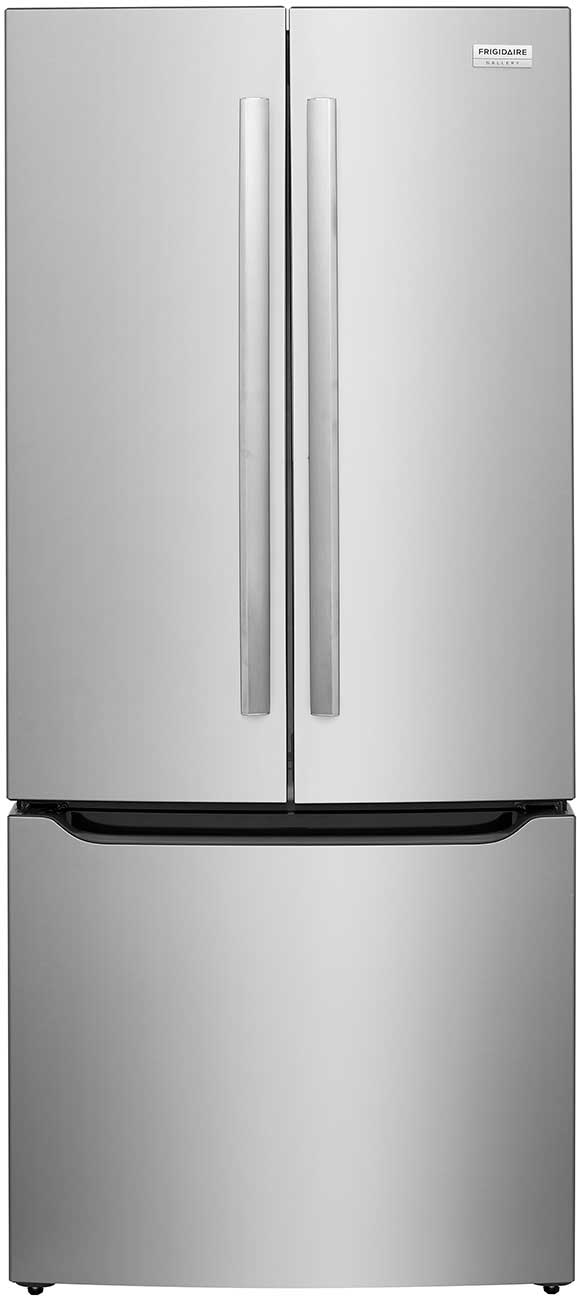
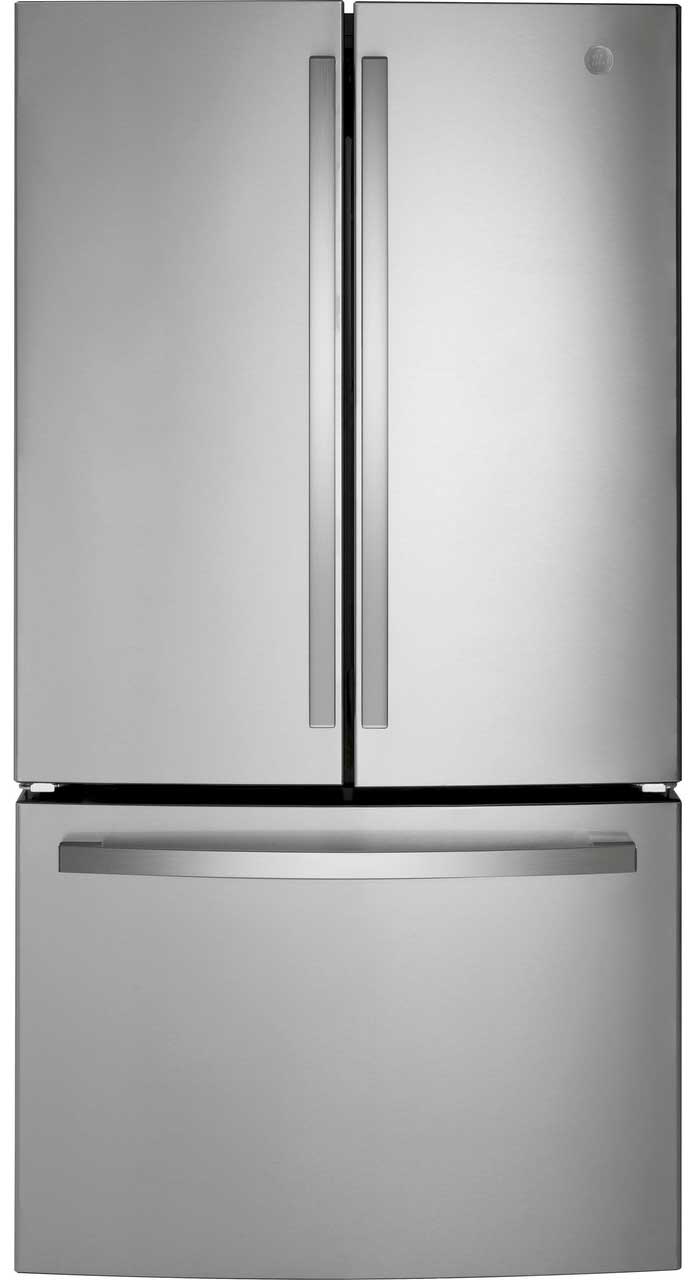
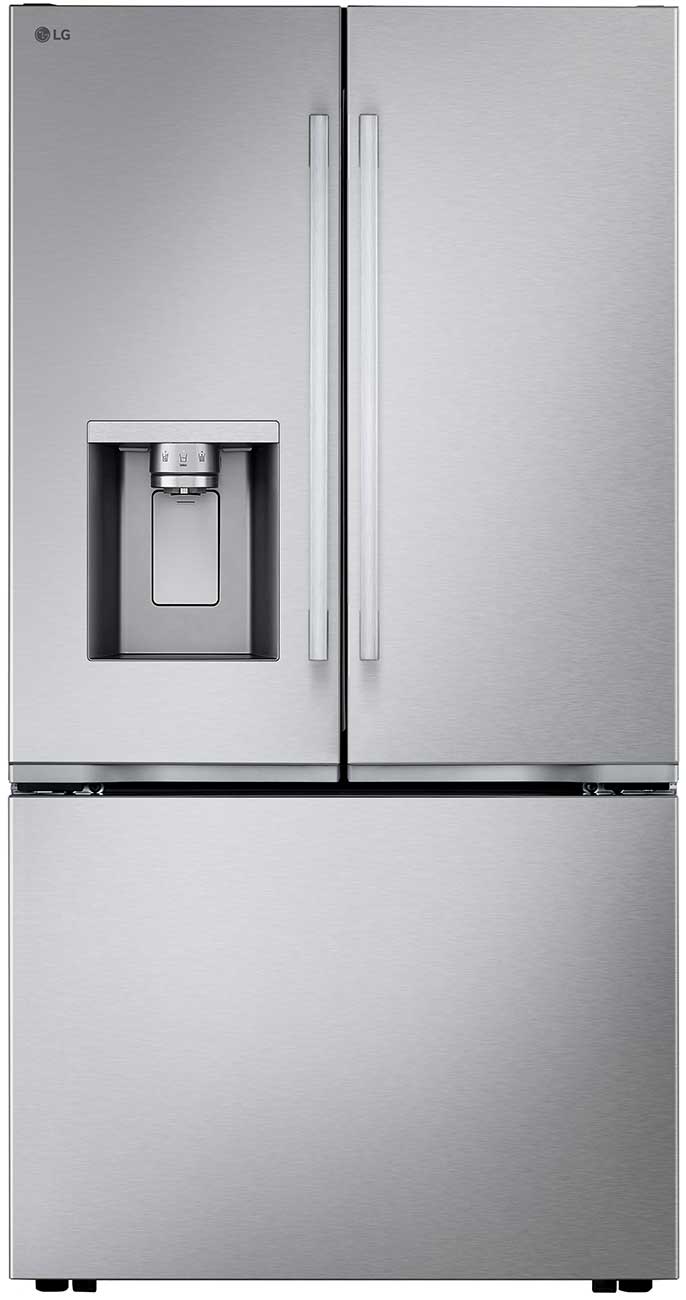
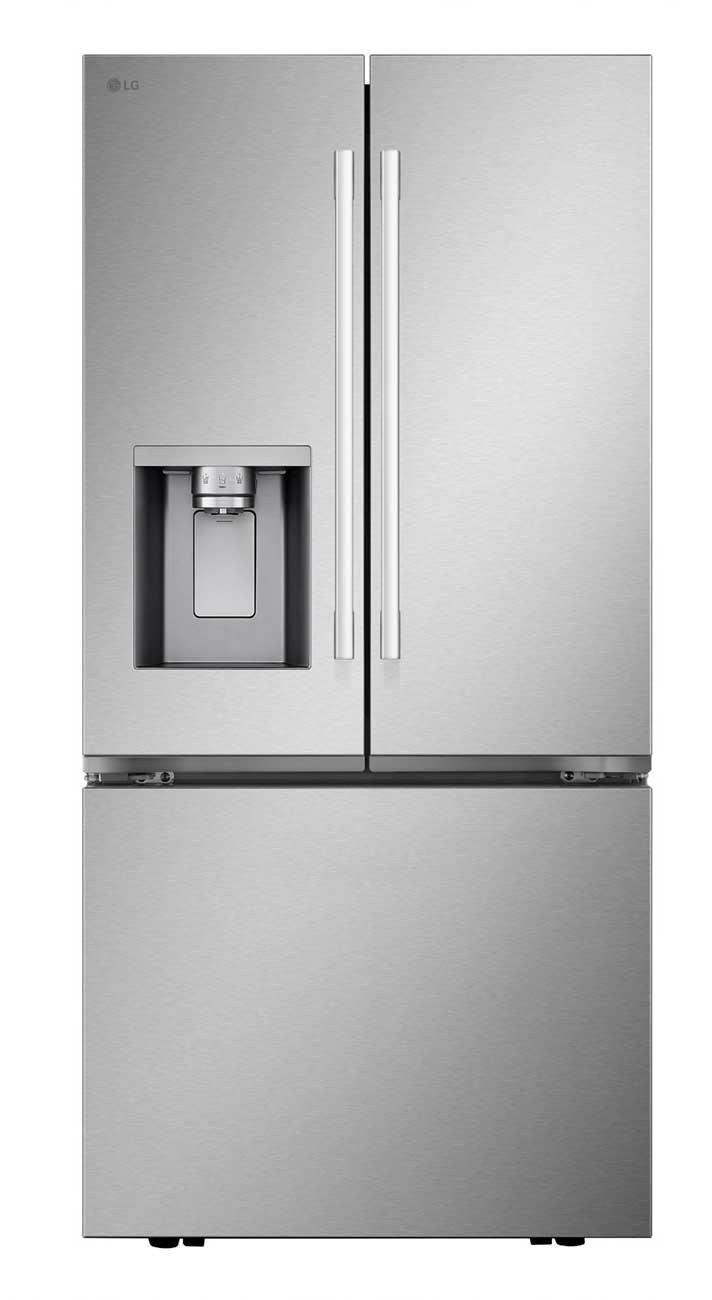
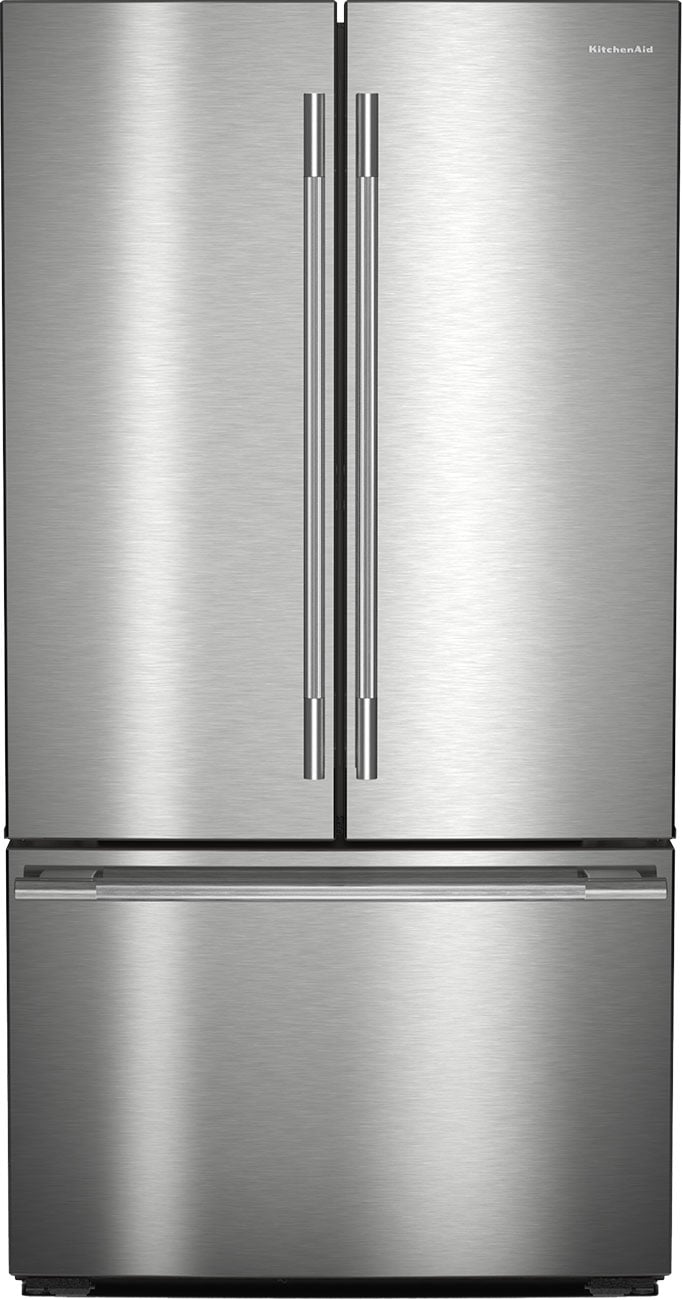
French door refrigerators are a stylish variant of bottom-freezer refrigerators. They feature double doors that swing out from the center in place of the single door that opens to the left or right. The half-width doors allow these models to fit into tighter spaces.
If you have a kitchen island near your fridge, selecting a French door design can help keep walkways clear even with the doors open. Plus, when you only open one of the two doors to the fresh compartment, the other helps keep cool air in, lightening the load on the cooling system.
Typically the freezer compartment will be a drawer, just like in bottom-freezer refrigerators. That said, 4-door French door refrigerators occasionally include double doors for both the fresh and frozen compartments, along with an option for one of the freezer doors/drawers to be converted to fresh or frozen temperatures, allowing you the flexibility of more fresh food or freezer space as needed.
French door refrigerators start at around $1,000. The most advanced units can cost several times that. Like side-by-side refrigerators, higher-end French door models often include useful innovations in addition to their precise temperature controls. From transparent glass panels on their doors to Wi-Fi capabilities, if innovative features are what you're looking for, French door fridges are a good place to start.
Mini Fridges
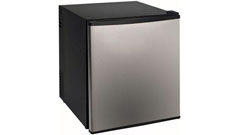
Mini fridges, or compact refrigerators, are perfect for master suites, dorm rooms, offices, and countless other areas where only a small amount of refrigeration is needed.
The smallest models are roughly 18" cubes. This limits their capacity to around 1.5 cubic feet. But if you're just looking to keep a few drinks nearby, they have room for plenty of cans and even 2-liter bottles. Plus, their small size keeps electricity costs to a minimum.
Larger compact refrigerators can have capacities of 6 cubic feet or more. As you might expect, they'll take up a larger footprint. But compared to full-sized models they still save a ton of space. With this added capacity, some models can include a freezer, ice maker and customizable storage
Mini fridge prices range from around $100 to several thousand dollars. The more advanced models often provide multiple storage compartments, more precise temperature controls, clear glass doors and panel-ready options.
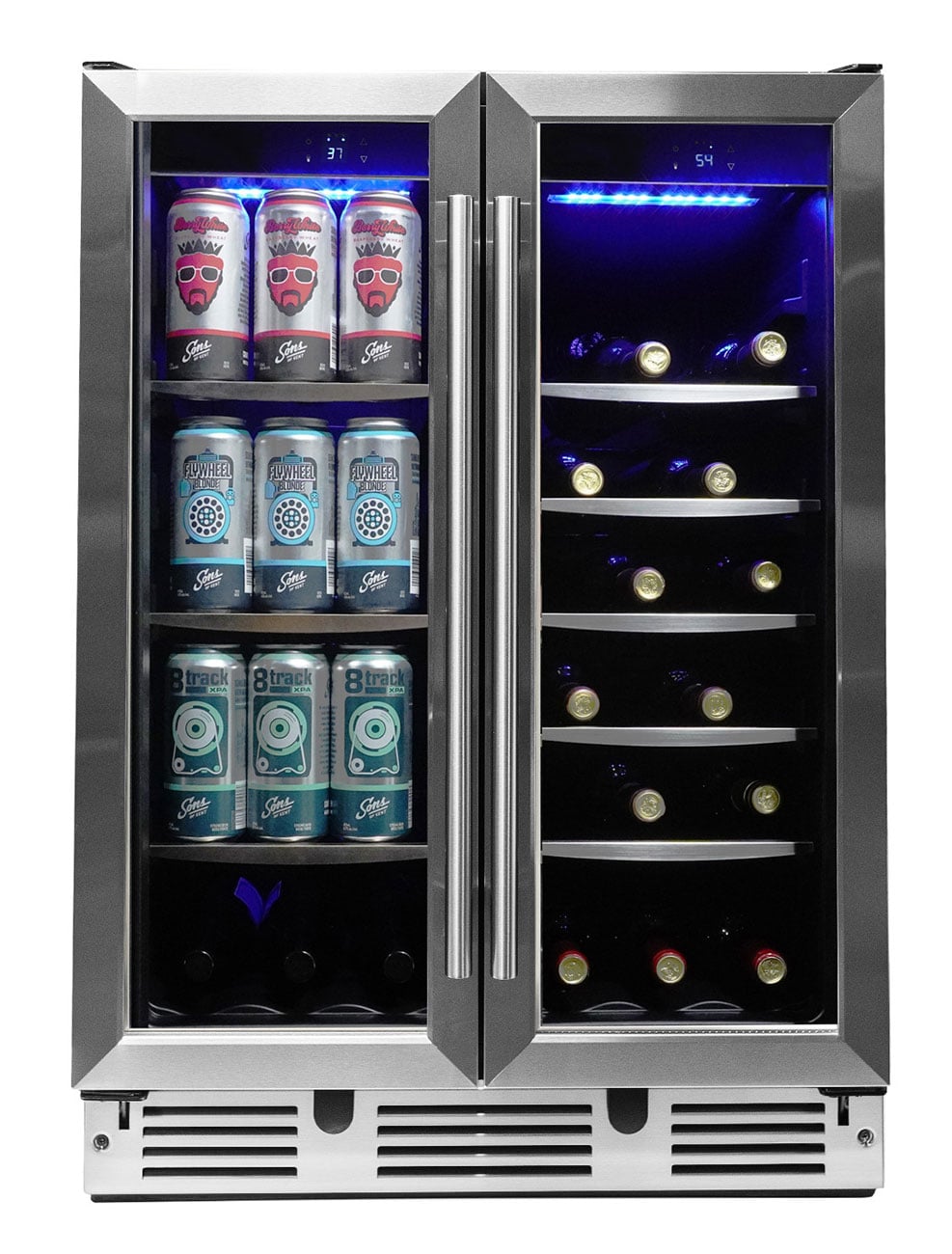
Wine Refrigerators and Beverage Centers
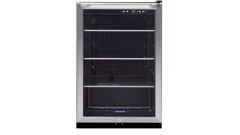
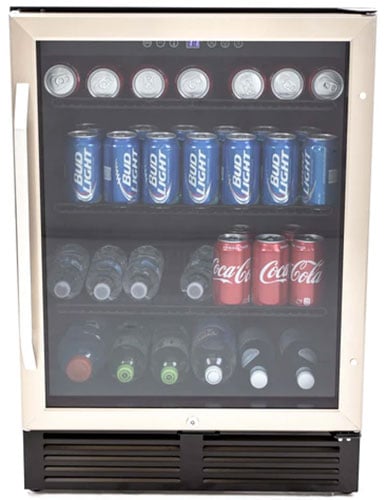
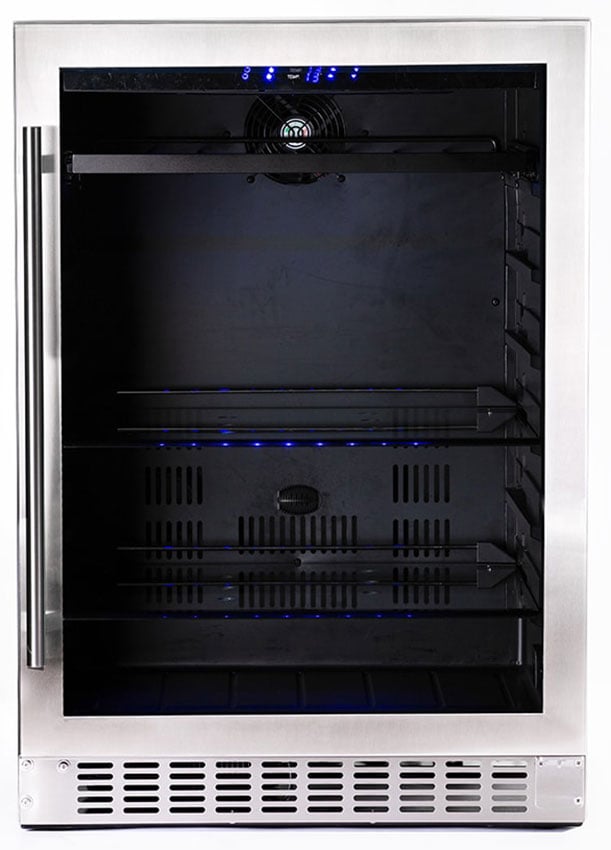
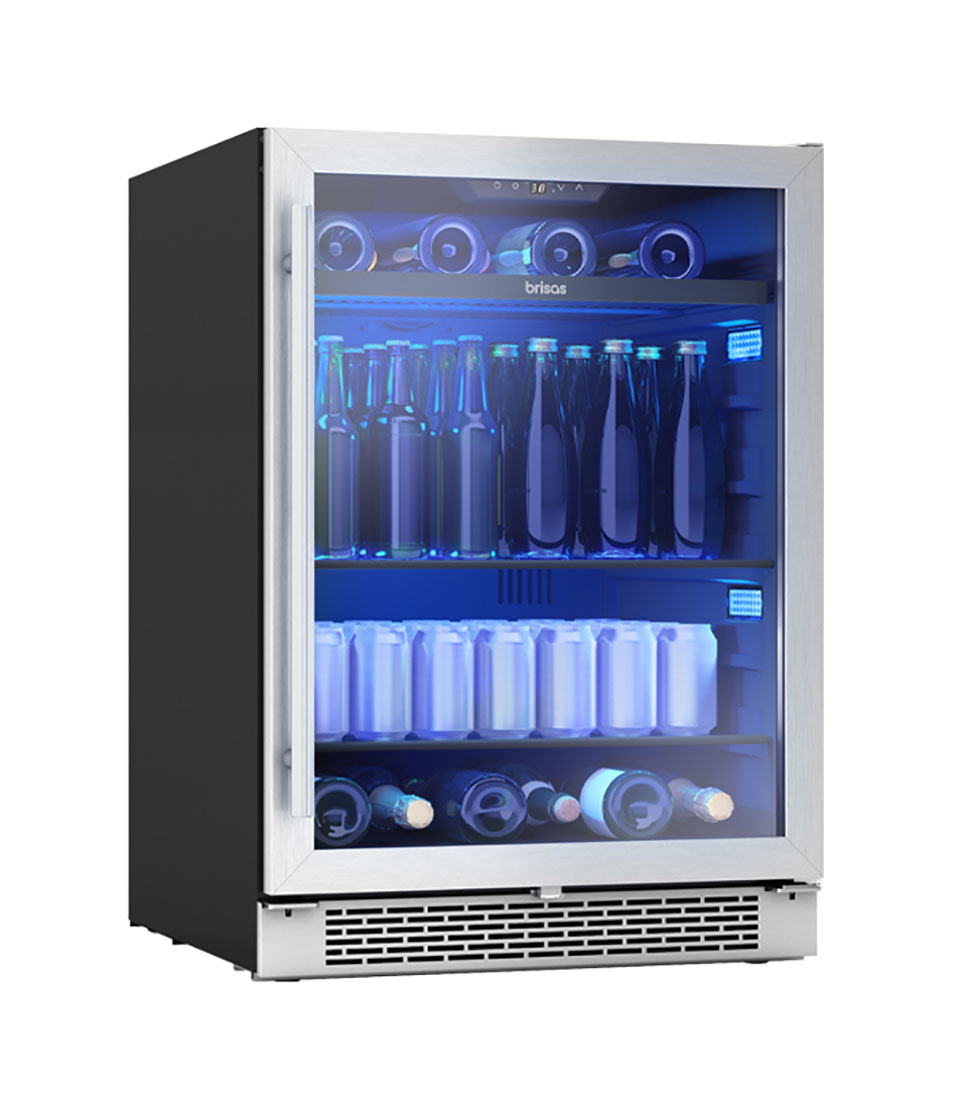
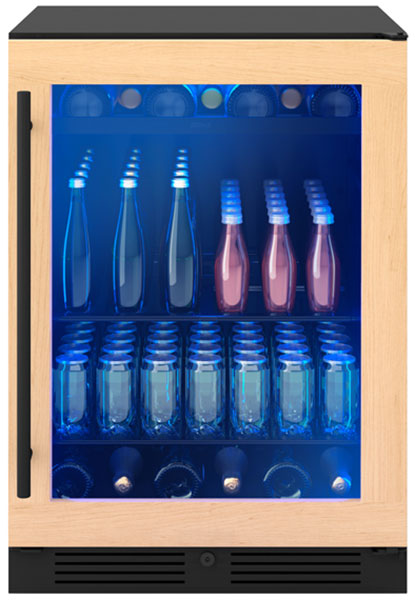
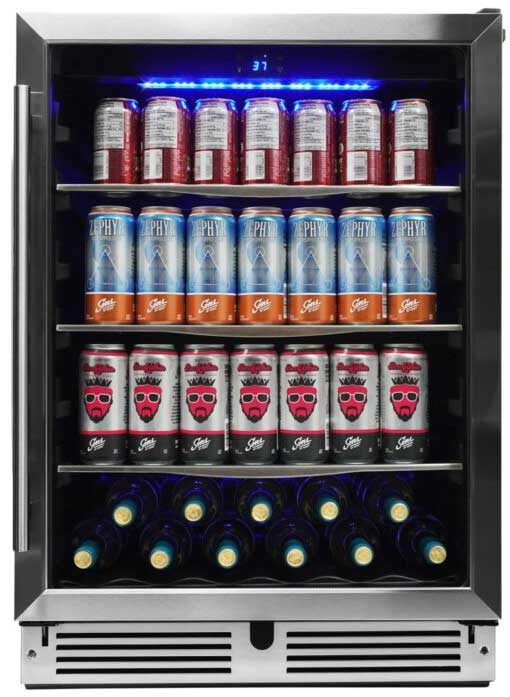
Wine refrigerators and beverage centers are designed to provide the perfect climate for your favorite drinks. Although wine and beverage centers may look similar, there are a few key differences between the two. The first is shelving: wine fridges are designed specifically for wine storage as the shelves cradle each bottle to hold them in place. Beverage centers are best for storing various cans and bottles including water, beer, juice boxes and other drinks. These models are usually equipped with flat glass or wire shelves. Combination wine and beverage centers will feature both shelving styles.
Temperature is another key difference; beverage centers have a temperature range between 39°F and 65°F to chill various items, while wine fridges don't go below 46° as wine, depending on the type and varietal, should be stored between 45°F to 65°F. Learn more about the perfect temperature to store wines.
Both wine fridges and beverage centers have options of freestanding or built-in and are available in many sizes with double and triple-temperature zones. In addition, some models are safe for outdoor use. Price points will vary depending on the size, brand and model; they can range from $300 for smaller basic models to $10,000+ for larger freestanding models.
If you're a wine enthusiast and want to store and serve your bottles at the perfect temperature, a wine refrigerator is the way to go. But if you're looking for another way to keep various drinks chilled, beverage centers are the better choice.
Freezerless Refrigerators
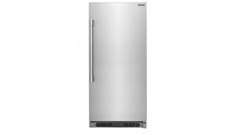
If you want to get the maximum amount of fresh food storage possible, a freezerless refrigerator is the way to go. These units can supplement your existing kitchen fridge or replace it altogether. Like French door and bottom freezer refrigerators, freezerless refrigerators provide full-width storage. While most models are 36 inches wide or less, they still allow ample space for large items like sheet cakes and catering trays.
Depending on the brand and model, freezerless refrigerators are offered in two ways: freestanding or built into a custom enclosure. Both styles allow you to optimize interior space, and are easy to maintain because they don't include a freezer. Freestanding models are available in different sizes and color options. They can start at around $1,000 and reach price points upwards of $3,000.
High-end features like Wi-Fi capabilities, an internal water dispenser, see-through glass doors, flush design, precise temperature controls and the option to add a custom panel are the reason built-in freezer-less refrigerators have a starting price point of $4000+. With that said, they also can be paired with a matching column freezer to complete the look.
Built-In Refrigerators
If you're looking for a top-of-the-line fridge that you can completely customize, you'll want a built-in model. These units are installed flush into your cabinets, providing a truly refined look. They provide exceptionally precise temperature controls as well as more refined, stylish versions of features found in freestanding fridges. These models are also the most versatile of all fridges as they range in size from 21 to 48 inches wide and 70 to 84 inches high, with a standard depth of 24 inches (never exceeding 30 inches to ensure a precise fit).
One of the biggest advantages of built-in refrigerators is that they typically come with dual compressors which share the workload, preventing either one from overworking. In most cases, if one fails the other will continue to work independently. Unlike single-compressor fridges, the refrigerator and freezer compartments are affected if the compressor fails. Builtin models are designed to a higher standard, have better warranties, and on average last much longer than your typical freestanding refrigerator.
But that level of dependability comes at a price. Smaller models start around $2,000. Larger, more featureful built-in fridges can cost $10,000 or more. You'll have to decide if their reliability, style, and cooling capabilities are worth the extra cost based on your specific needs and budget.
Counter-Depth Refrigerators
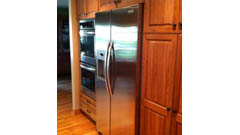
Counter-depth refrigerators provide the look of a built-in at a fraction of the cost. They're typically 24-32" deep, compared to the typical 30-38" depth of freestanding refrigerators. This helps keep your kitchen open and can be especially helpful if you're short on space.
But don't let the shallow interior fool you. While it's true that standard depth fridges typically offer more capacity, many counter-depth refrigerators have capacities that match or even surpass standard depth models which makes them an excellent choice for style and functionality. Counter-depth fridges are often slightly more expensive than full-depth models and range in price from $1,300 to $5,000 and above.
Virtually every style of refrigerator except top freezer models is available in a counter-depth design. So whatever your preference, there's an option you'll love.
Common Refrigerator Features
Once you determine your capacity needs and your preferred style, prioritize the features that matter most to you.
Customizable Shelves & Bins
Shelves that slide in and out or fold in half make it much easier to store oversized items like 2-liter bottles. Some fridges also include moveable bins that adjust to your needs, or shelves with spill-proof lips to prevent spills from spreading.
Multiple Temperature Zones
Most refrigerators include two temperature zones. One for fresh foods. One for frozen. However, some models include additional compartments. Chilling compartments are one such example. These typically sit between the fridge and freezer and maintain temperatures just above or below the freezing point. Learn more about how cold a refrigerator should be.
Other models feature zones that you can adjust to provide fresh or frozen storage depending on your needs at any given time. Samsung calls this feature a FlexZone™, while LG's version is the Full-Convert™ drawer. Different refrigerator brands use different names for these compartments, but they all serve the same function.
Ice Maker
Never wait for ice again. Internal ice makers use filtered water to make ice cubes throughout the day. Depending on your needs, you may want to consider a fridge with an extra-large ice maker or even dual ice makers to keep drinks cold during parties. Ice connoisseurs should consider a model with a craft ice maker, like those provided in select LG refrigerators. These round, slow-melting ice spheres are perfect for cooling drinks without diluting their taste.
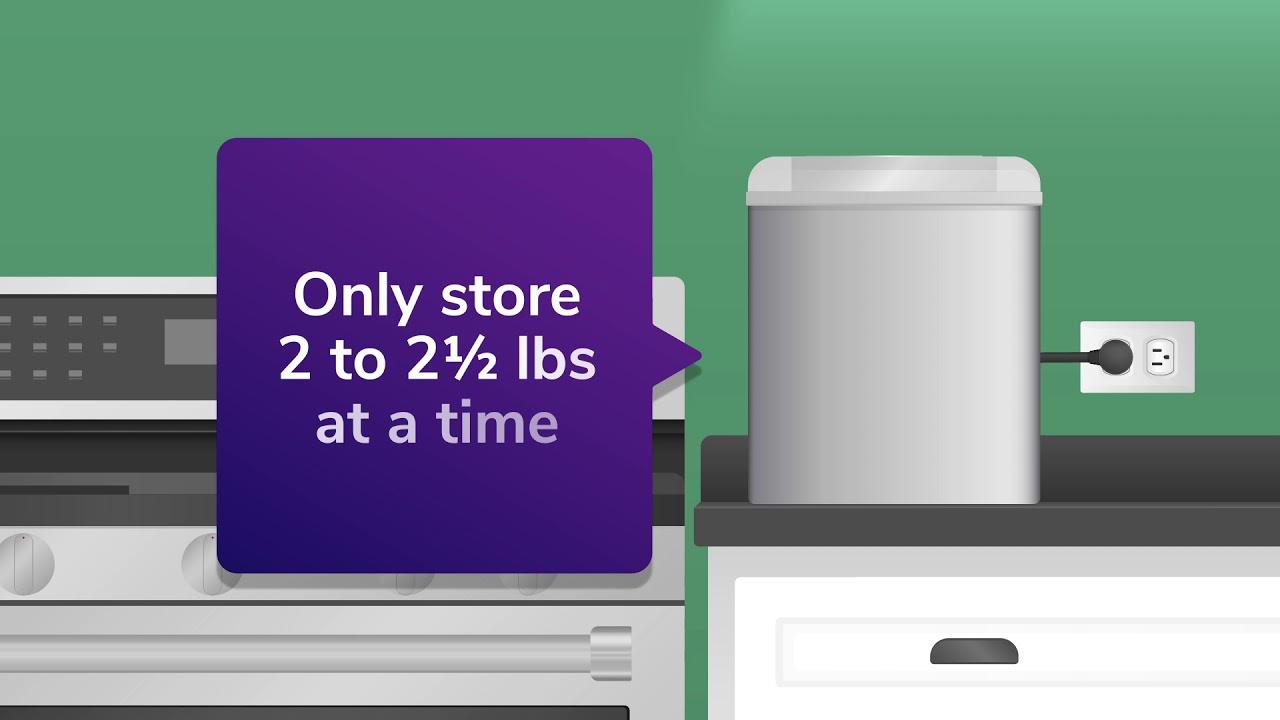
While ice makers and dispensers are a must-have for many homes, be aware that the process requires a fair amount of electricity. As a result, your utility bill will almost always be slightly higher using a refrigerator with an ice maker when compared to models without one. If ice is especially important to you, consider a stand-alone ice maker. You can learn about them in our Ice Maker Buying Guide.
Filtered Ice/Water Dispensers
One of the most popular features on any fridge is the ice and water dispenser. It provides easy access to filtered water and crushed or cubed ice. Some dispensers accommodate tall bottles or have "quick fill" options to deliver the precise volume of water that you select. External dispensers allow you to fill your cup without even opening the door. Internal dispensers are usually limited to just water.
Learn how to locate and replace a refrigerators water filter with Abt's Refrigerator Water Filter Replacement Guide.
Door-in-Door Storage
Door-in-door refrigerators allow you to quickly access drinks or condiments stored on the door without opening the whole fridge. This cuts down on the amount of time the fridge is open, lightening the load on the fridge's cooling system and reducing energy costs.
Multiple Cooling Systems
Standard refrigerators feature a single cooling system that pumps cold air into the freezer. This air then funnels into the fridge as needed. More sophisticated fridges often feature separate cooling systems for each section. By cooling compartments individually, these units provide better temperature and humidity control.
Fresh foods stay fresh longer with a bit of humidity. With a single cooling system, this humidity can make its way into the freezer. As a result, ice build-up can become a problem. By isolating their cooling areas, these refrigerators also keep odors from drifting from fridge to freezer. So your ice won't taste like last night's leftovers ever again.
Energy Efficiency
Choose an ENERGY STAR® qualified refrigerator and you'll use at least 9% less energy than other models. You may also be eligible for local rebates from your city when buying ENERGY STAR qualified devices.
Freshness Features
From basic air filters to more advanced ion air purifiers, there are a handful of features that can work to clean the air inside your refrigerator. Vacuum-sealed crisper drawers are another great way to preserve freshness.
Some fridges even include systems that absorb ethylene gas which some fruits release as they ripen. This gas accelerates the ripening process. By removing it, the fridge will maintain the taste and texture of your produce significantly longer.
Refrigerator Finish and Aesthetic Appeal
From basic black or white models to stylish stainless steel or panel-ready units, there's sure to be a refrigerator finish that will match your kitchen's design. Panel-ready models accommodate custom panels that you can have made to perfectly match the look of your existing cabinets. Stainless steel and black stainless steel look great in almost any setting and are generally easy to maintain. Look for fingerprint resistant models for easier upkeep.
Wi-Fi Enabled/Smart Fridges
By connecting your refrigerator to your home network you can open up a new world of possibilities. Most Wi-Fi enabled fridges allow you to monitor or adjust temperature settings from the convenience of your smartphone, or even with voice commands.
Some models include internal cameras so you can see what's inside while you're shopping for groceries. Others can store grocery lists, find recipes, display digital notes, show weather forecasts, or mirror your TV screen. If you're looking for the latest and greatest model you can find, you'll want a smart fridge.
In Summary
You'll have lots of choices to make when buying a new fridge. Most importantly, you need to decide what capacity you need. Next, select which style or type of refrigerator best fits your budget and tastes. Consider counter-depth or built-in variants of any of these styles for a more refined look. Finally, select the features that matter most to you.
With all of this information in mind, selecting your next fridge should be a piece of cake. But of course, feel free to reach out to our experts at 800-860-3577 if you have any questions at all. We want to make sure you're satisfied with the model you bring home and will do all we can to help make sure you are.
Refrigerator Buying FAQs
How long do refrigerators last?
Refrigerators can last for more than ten years when well maintained. Some can last 15 years or longer.
What are the best brands of refrigerators?
Abt carries many of the best brands of refrigerators, including Whirlpool, Sub-Zero, Samsung, LG, GE, Bosch and many more. Check out our article on the best refrigerators of the year.
Do refrigerators need a special outlet?
Most refrigerators do not require a special outlet. However, the 15-20 amp 120-volt circuit outlet should be dedicated to the refrigerator only.
How much do new refrigerators cost?
New refrigerators have a broad pricing range, with some that cost below $1,000 and others that cost over $10,000. Some factors that can drive prices up or down include features like smart technology, style, preservation technology, ice and water capabilities and more.
What do smart refrigerators do?
Smart refrigerators connect to the Wi-Fi, your refrigerator and your smartphone, then monitor temperature, humidity and the food inside—sometimes even with cameras. Smart refrigerators can also help you keep up with regular maintenance and alert you when something goes wrong.
When is the best time to buy refrigerators?
The best time to buy refrigerators is always during a sale, like a Labor Day or Memorial Day sale, as well as during Black Friday sales. At Abt, you'll find refrigerators on sale all throughout the year (and with our Price Match Guarantee, you're guaranteed a great deal).
Where do you take old refrigerators?
You can take your old refrigerator to Abt, or we can haul it away for you. Our onsite recycling center is here to take old appliances and electronics off your hands and out of the landfill.

Over 90 Years Of Experience


Your recently viewed items:
Yamaha AVENTAGE 11.2 Channel AV Receiver With 8K HDMI & MusicCast

Yamaha AVENTAGE 11.2 Channel AV Receiver With 8K HDMI & MusicCast
Contains 4 Reviews
4
AGA eR7 100 Classic Cast Iron Electric Range 39-Inch In British Racing Green

AGA eR7 100 Classic Cast Iron Electric Range 39-Inch In British Racing Green
